2022 Theme: “Pandemic Lockdown through the lens“.
Happy world photography day!
Continue reading “PHOTOGRAPHY DAY”A site for all thinkers to discover more positivity from life and grow together!
2022 Theme: “Pandemic Lockdown through the lens“.
Happy world photography day!
Continue reading “PHOTOGRAPHY DAY”
Krishna Janmashtami is celebrated to mark the birth of Lord Krishna. He is believed to be the eighth incarnation of Lord Vishnu and is revered across India. This year, Krishna Janmashtami will be observed on August 18 and 19. It is celebrated two days as he was born just after midnight. So, the previous day of his birth also observed waiting for his arrival on earth.
Jai Shree Krishna!🙏🏾
Continue reading “🦚 HAPPY JANMASHTAMI 🦚”I am a breeze, rustling through the Autumn leaves.
Crisp clean air that revitalizes the land.
I am a ray of sunshine, blanketing the Earth with my warmth.
Providing the light for all life.
I am the rain, washing the dust of the day away.
Breathing new life into everything I touch.
I am a tree, standing tall above the grass.
Holding firm in my roots, creating a shelter.
I am the sand, simple enough.
Infinite grains creating a pathway to walk the beach.
I am a wave, traveling the vast sea.
Finally, ending my life gracefully against the shore.
written by
Amber Lynn Manning
2015

Today we celebrate his 150th birth anniversary. His independence day message on our first independence day can be read here:
https://aurosociety.org/society/index/1947%2C-August-15th-Message
Literary works:
In addition to The Life Divine, his major works include Essays on the Gita (1922), Collected Poems and Plays (1942), The Synthesis of Yoga (1948), The Human Cycle (1949), The Ideal of Human Unity (1949), Savitri: A Legend and a Symbol (1950), and On the Veda (1956).
https://www.sriaurobindoashram.org/sriaurobindo/writings.php
https://www.britannica.com/biography/Sri-Aurobindo
More information at:
https://en.m.wikipedia.org/wiki/Sri_Aurobindo
Continue reading “SAGE FOR THE AGE: REMEMBERING SRI AUROBINDO”
Today, here at India we celebrate our 76th independence day. We have completed 75 years of independence and today we entered the 76th year of independence.

We can watch the complete speech here:
We can read the highlights of independence day speech by our PM today as follows:
https://pib.gov.in/PressReleaseIframePage.aspx?PRID=1852024&RegID=3&LID=1
Happy Independence Day to all!
Continue reading “🇮🇳 INDEPENDENCE DAY 🇮🇳”
Campaign for 2022 on this day is “Thank blood donors worldwide and increase public awareness of the importance of consistent, unpaid blood donation.”

Theme for 2022 -> “Intergenerational Solidarity: Creating a World for All Ages“
Happy Youth Day!
Continue reading “YOUTH DAY”
Have great time together on this auspicious day!

Madhusudan Singh Poems — PREM BHAYEE BAHAN KA/प्रेम भाई बहन का। भागो जितना भाग सको तुम,मुश्किल प्रेम को नाप सको तुम,भागो हमसे दूर कहीं मैं अम्बर तक आ जाऊँगी,मैं चुड़ैल सब तेरी बलाय,नोच-नोच खा जाऊँगी।हर अस्त्रों में महाशस्त्र ये,क्यों ना कच्चे धागे ये,हँसी-खुशी और नोक-झोंक के,रिस्ते सच्चे प्यारे ये,बहना का भाई है गहना,इस रिश्ते बिन…
PREM BHAYEE BAHAN KA/प्रेम भाई बहन का।

Last Friday, my big sister flew to see me. From the airport, we drove thirty-eight miles to the beach, checked into a historic hotel, exchanged our street clothes for swimsuits, dashed out to the pool, and lingered, cool beverages in hand. Freedom persisted. Our feet hit the sand. The tides rolled in with the ocean breeze. Seashells appeared to be found. Fish tacos beckoned, and we answered the call. It was a weekend of sisterhood, a salve for my soul, a respite by the sea, one last hoorah before the inevitable back-to-school.
As I unloaded my deepest, darkest secrets, I heard my speech sprinkled with words like—actually, honestly, literally, ironically, hopefully…. When had I picked up this nasty adverb habit? An overuse of basically unnecessary words? (I meant to do that). When I say honestly, does that mean I’m not being honest the rest of the time? And if something…
View original post 666 more words
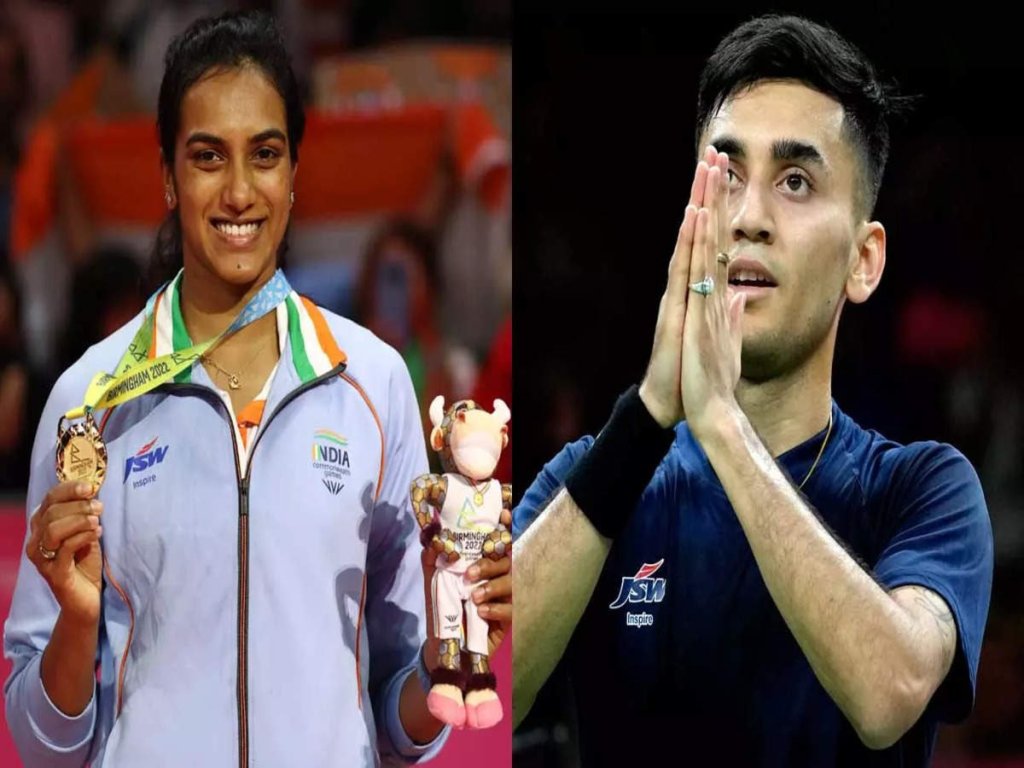
It’s a golden day for India today at the commonwealth games as both the shuttlers brought pride for the country. While Sindhu did it earlier today in the women’s singles event, now Sen repeated the same feat in the Men’s event with clinical finish. It was an incredibly good show by Lakshya Sen to clinch the title in a three set nail biter after losing the first game 21-19.
It has never happened before in the history of indian badminton to have won both titles in such a major event. It’s a proud moment for all of us here witnessing the game.
Continue reading “CWG 2022: MEN’S SINGLES BADMINTON GOLD FOR INDIA 🇮🇳”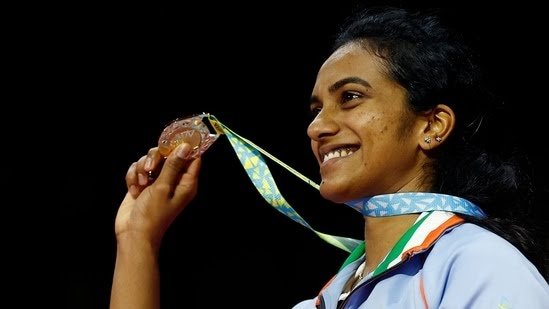
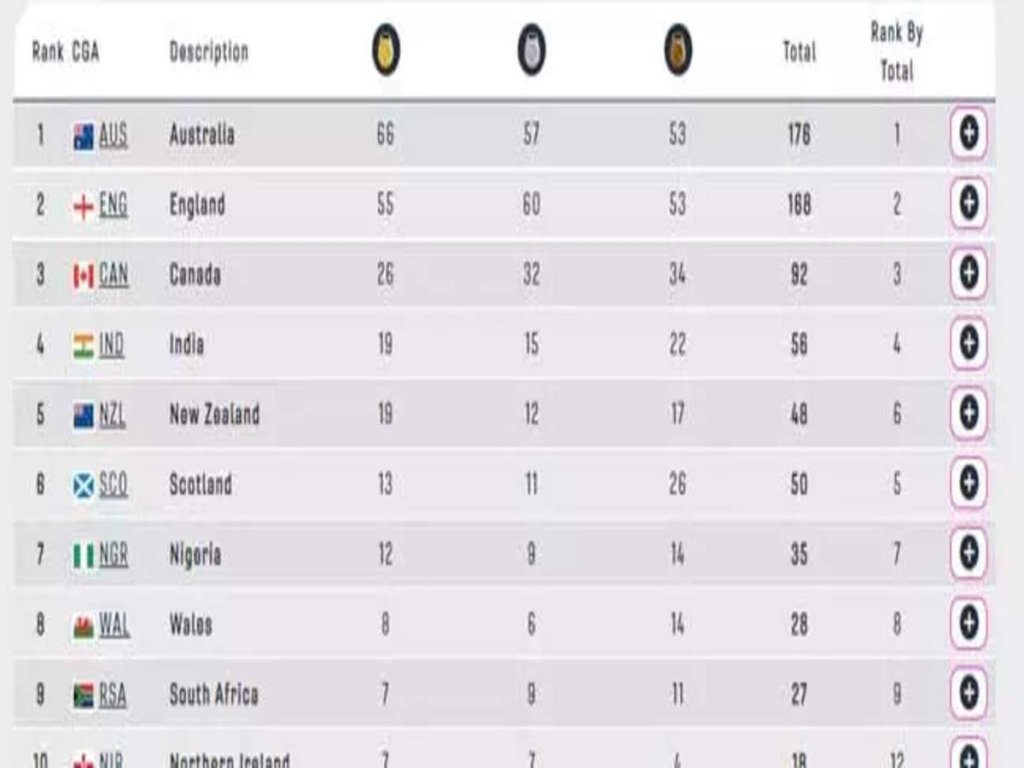
It’s a proud moment for indian fans all across the globe. P.V. Sindhu done it again in style winning the gold medal match today. She won straight sets by good margin at 21-15 amd 21-13. It’s the 19th gold for India at commonwealth games so far.


 B +Ve!!
You must be logged in to post a comment.