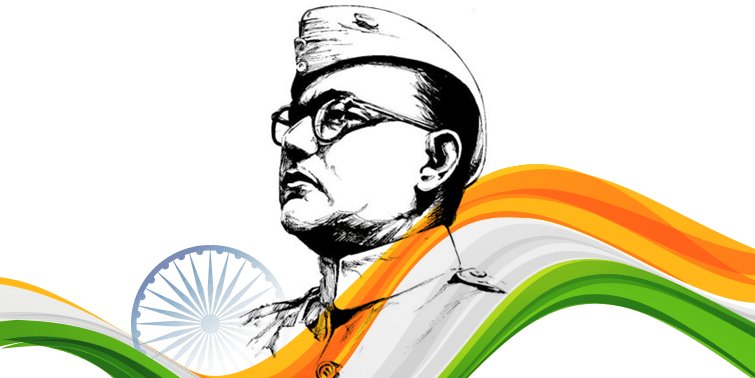
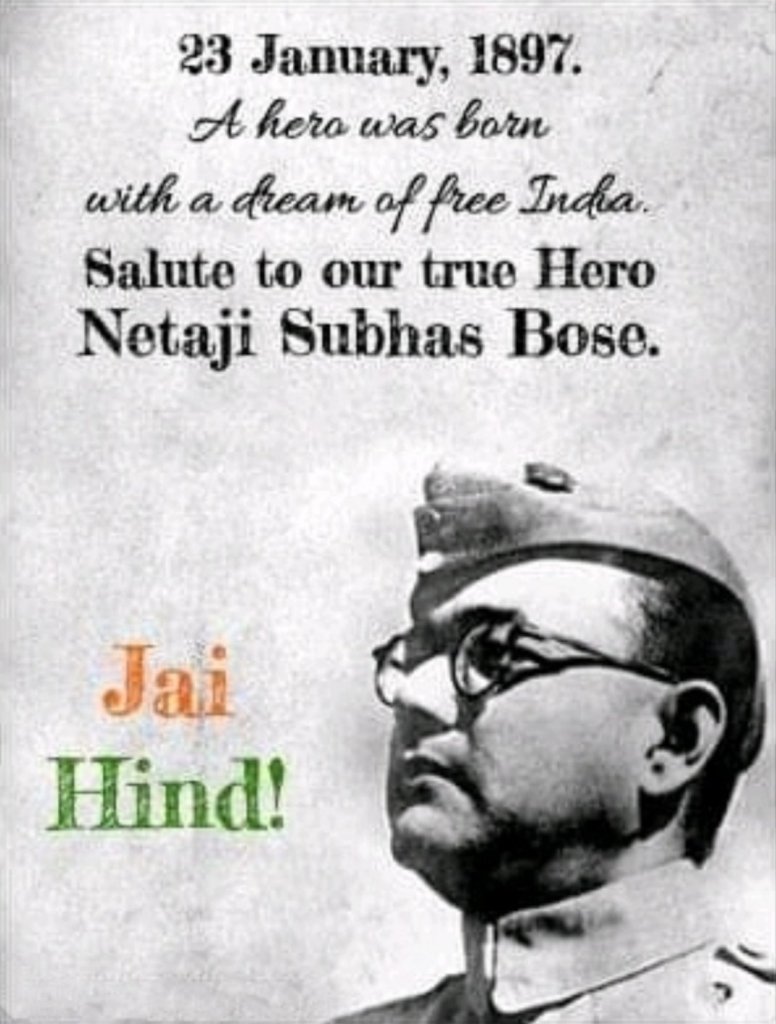
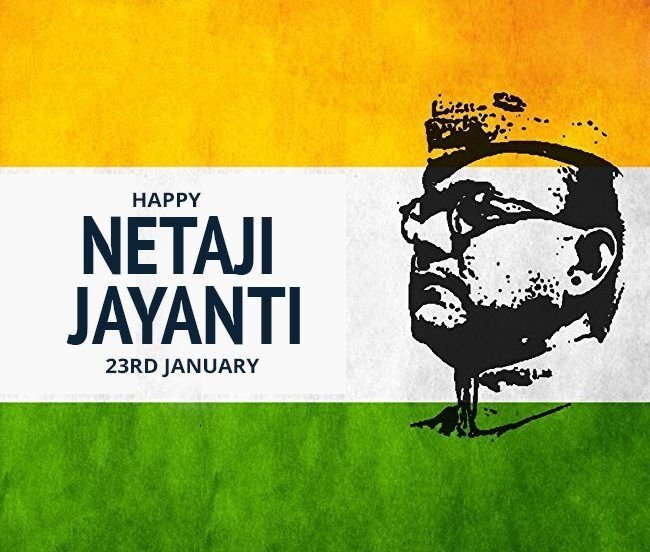
Parakram Diwas (Bravery Day) is celebrated in India on 23 January. It was introduced by the Government of India in 2021 ahead of Netaji Subhas Chandra Bose’s birth anniversary. Netaji Jayanti is observed as Parakram Diwas for the first time in 2021 on his 125th birth anniversary.
Subhas Chandra Bose (23 January 1897 – 18 August 1945) was an Indian nationalist whose defiant patriotism made him a hero in India, but whose attempt during World War II to rid India of British rule with the help of Nazi Germany and Imperial Japan left a troubled legacy.
He played a pivotal role in Indian independence movement. He was the head of Indian National Army (Azad Hind Fouj). He was the founder-head of the Azad Hind Government.
About five months after the disappearance of Netaji, the Netaji Jayanti was celebrated in Rangoon on a grand and unprecedented scale. It is traditionally observed in all over India. It is an official holiday in many eastern states of india like West Bengal, Jharkhand, Tripura and Assam. The Government of India pays tribute to Netaji on this day.
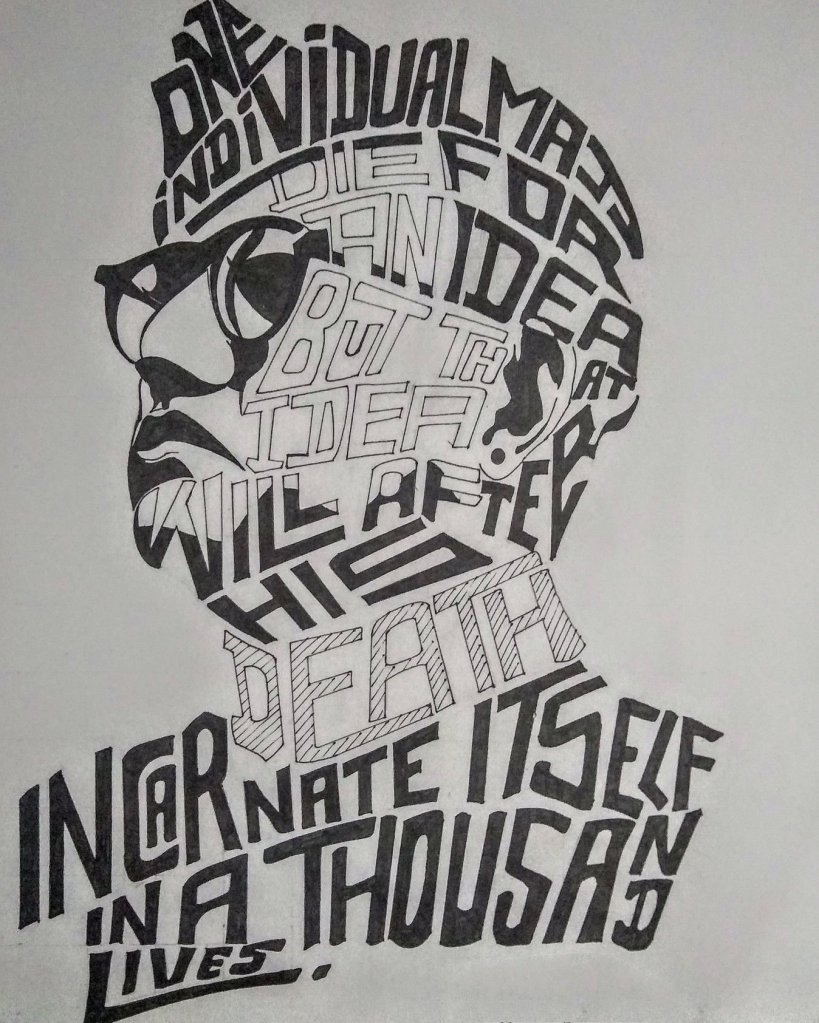
His most famous quote was “Give me blood and I will give you freedom”. Another famous quote was Dilli Chalo (“On to Delhi)!” This was the call he used to give the INA armies to motivate them. Jai Hind, or, “Glory to India!” was another slogan used by him and later adopted by the Government of India and the Indian Armed Forces. Another slogan coined by him was “Ittehad, Etemad, Qurbani” (Urdu for “Unity, Agreement, Sacrifice”). INA also used the slogan Inquilab Zindabad, which was coined by Maulana Hasrat Mohani.
Netaji Jayanti, also known as “Netaji Subhas Chandra Bose Jayanti” or officially “Parakram Diwas” (Day of Valour), is a national event celebrated in India to mark the birthday of the prominent Indian freedom fighter Netaji Subhas Chandra Bose. It is celebrated annually on 23 January.
There are various natural sources of water on the earth such as ponds, rivers, lakes, rain, glaciers, oceans, and wells.
River Water – The river gets water from the melting of snow lying on the peaks of mountains or from the rain water which reaches them through many small and big drains. The various impurities present in river water are dissolved salts, dust, sand, some micro-organisms such as bacteria, and straw particles. The river water also contains effluents which are discharged into the river by the factories. The suspended solid particles are present in the river water are harmful to all the living organisms including man.
Rain Water – The rain water is considered to be the purest form of natural water because it is usually free from any impurities. It is formed by the condensation of water vapor present in the cloud. When the rain water comes down to…
Malabar Trogon at Kuldiha Wildlife Sanctuary, Balasore, Odisha
The Malabar trogon (Harpactes fasciatus) is a species of bird in the trogon family. It is found in the forests of Sri Lanka and peninsular India. In India it is mainly found in the Western Ghats, hill forests of central India and in parts of the Eastern Ghats. They are insectivorous and although not migratory, may move seasonally in response to rain in hill forest regions. Like in other trogons, males and females vary in plumage. The birds utter low guttural calls that can be heard only at close quarters and the birds perch still on a branch under the forest canopy, often facing away from the viewer making them easy to miss despite their colourful plumage.
What is spirituality? Having to do with coming into, connecting with, or being one with, a higher or “ultimate” level of existence or consciousness (also known as the ultimate reality, the fabric of existence, the ground of being, God, reality, nature, universal or greater consciousness, etc.)
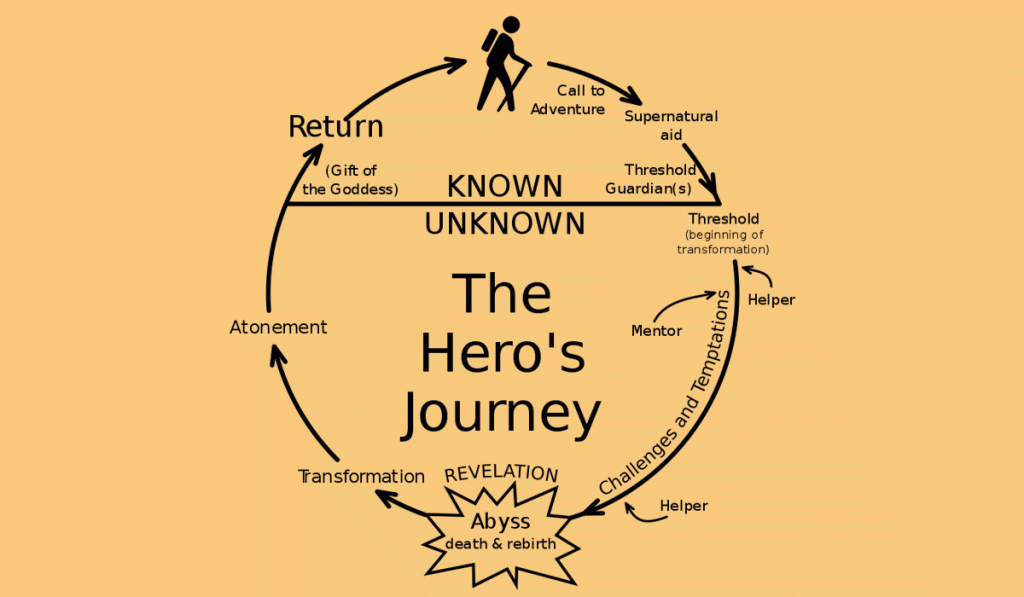
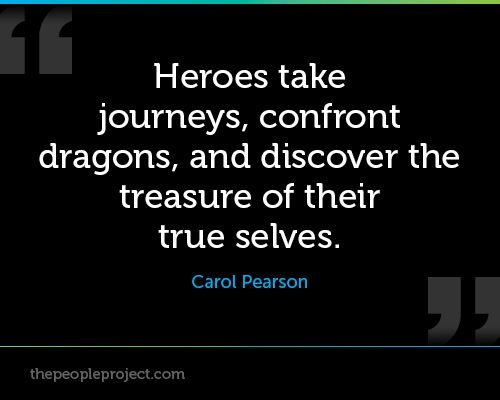
What Is The Hero’s Journey? Mythology can be simultaneously fascinating and complex. Fascinated by these legendary tales, author Joseph Campbell studied the myth and made the famous claim that nearly all myths, and some other story types, have similar ideas, and the heroes’ adventures are almost identical in their format. The different stages of adventure he identified have come to be called the “hero’s journey.”
Stages of the Hero’s Journey There are three stages to the hero’s journey, and twelve steps that fall into one of three stages.
●Stage 1: Departure – During this stage, the hero is preparing for his quest. This stage includes step 1, 2, 3 and 4. ●Stage 2: Initiation – This begins with step 5 as the hero crosses the first threshold, and it finishes with step 10 as the hero begins the journey back. ●Stage 3: Return – Beginning with step 10 as the hero commences the journey back, this stage continues through the end of the story and universal journey.
These steps come from the book “The Writer’s Journey” by Christopher Vogler, those steps are as follows.
Step 1: Ordinary World This is the hero’s normal life at the start of the story, before the adventure begins. It’s the starting point, and it gives a perspective into the character of the hero before the adventure begins. Often, this hero will transform over the course of the story. We may see evidence of a fatal flaw in the hero at this early point in the story, the shadow self.
Step 2: Call to Adventure The hero is now faced with something that makes him begin his adventure, it might be a problem or a challenge he needs to overcome. In general, he must make a personal choice about whether to undertake the adventure.
Step 3: Refusal of the Call The hero attempts to refuse the adventure because he is afraid or scared of what he might find. He may feel unprepared or inadequate, or he may not want to sacrifice what is being asked of him.
Step 4: Meeting With the Mentor The hero encounters a key being who can give him advice and ready him for the journey ahead. Acting as a mentor, this being imparts wisdom that may change the hero’s mind.
Step 5: Crossing the First Threshold The hero leaves his ordinary everyday known world for the first time and crosses the threshold into adventure, into the unknown. making. It’s a door through which the hero must pass for the story to really begin.
Step 6: Tests, Allies, Enemies The hero learns the rules of his new and unknown world. During this time, he endures tests of strength of will, meets friends, comes face to face with foes and faces his shadow self. This period in his journey helps him define his relationship with other characters in the story. During this part of the journey, he learns who will help and who will hinder.
Step 7: Approach Issues occur, sometimes causing the hero to try a new approach or adopt new ideas. This is a lesson in persistence for the hero. When he fails, he needs to try again. Often, the pressure is rising, and real overall failure becomes less of an option.
Step 8: Ordeal The hero experiences a major obstacle, such as a life or death crisis. He must come face to face with his weaknesses, and he must overcome them. This will be something he will have to somehow manage to accomplish.
Step 9:Reward After surviving death, the hero earns his reward or accomplishes his goal. This is a moment of great evolution of the self in the story. The hero is a changed person now, though he may not fully realize the extent of the change in his continued focus on the matter at hand.
Step 10: The Road Back The hero begins his journey back to his ordinary life; integrating his new knowledge and self back into his life will be a challenge. He is changed now after his ordeal.
Step 11: Resurrection Hero The hero faces a final test where everything is at stake, and he must use everything he has learned. This is where his personal changes prove useful. He is now ideally suited to overcoming the obstacles in front of him.
Step 12: Return With Elixir The hero brings his knowledge or the “elixir” back to the ordinary world, where he applies it to help all who are there. This is the true reward for his journey and transformation. Experience creates treasures.
The hero’s journey narrative can be found in all genres of literature including mystery, science fiction, thriller, romance, and historical fiction. When we recognize this important literary narrative you can gain a deeper understanding of the stories you read and experience.
I hope this post helped you learn something new and understand the concept of “The Hero’s Journey.” Thank you.
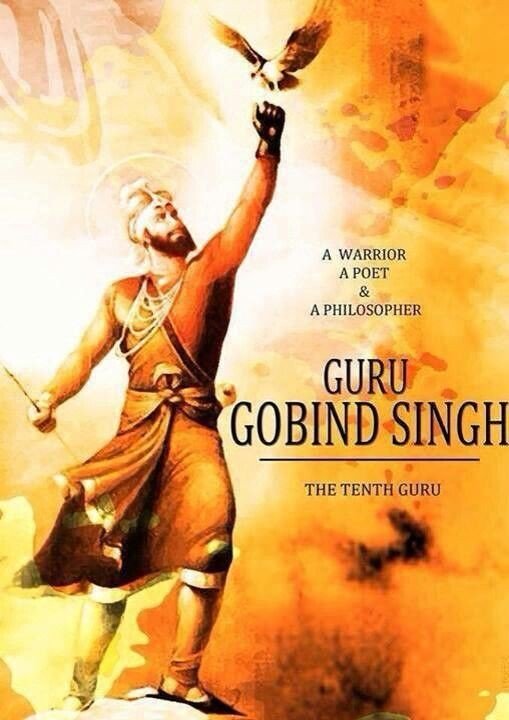
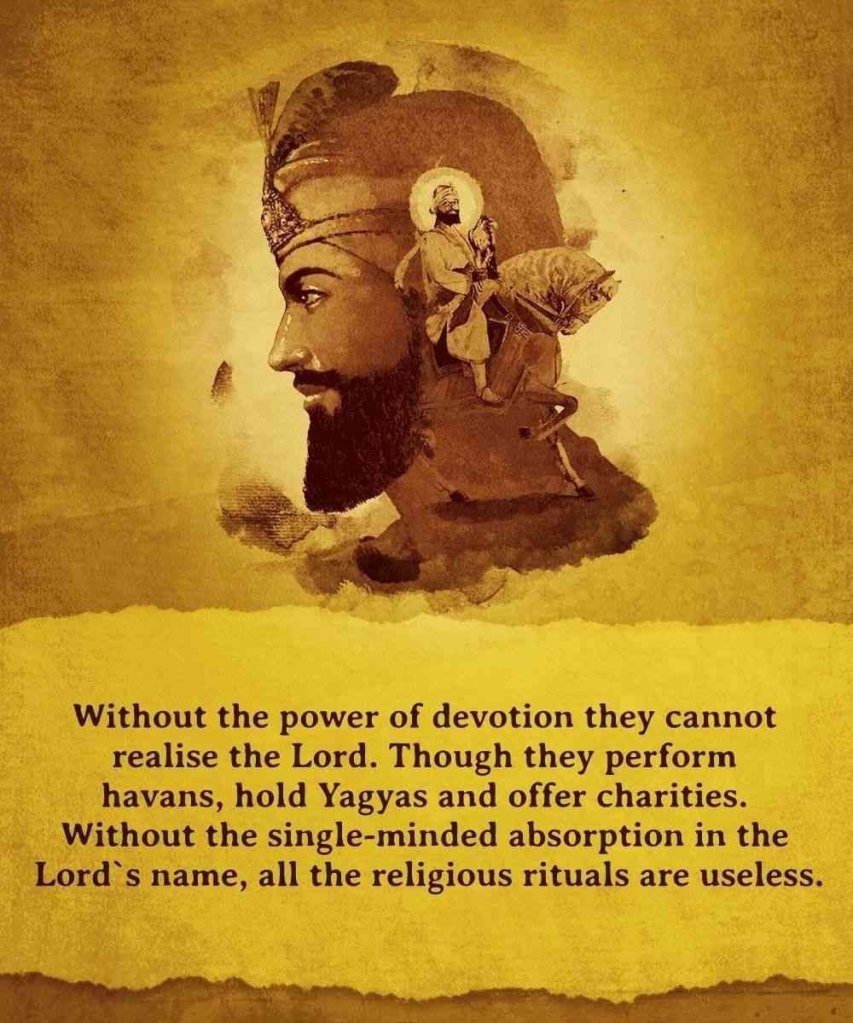
Guru Gobind Singh (22 December 1666 – 7 October 1708), born Gobind Rai, was the tenth Sikh Guru, a spiritual master, warrior, poet and philosopher.
When his father, Guru Tegh Bahadur, was executed by Aurangzeb, Guru Gobind Singh was formally installed as the leader of the Sikhs at the age of nine, becoming the tenth and final human Sikh Guru. His four sons died during his lifetime – two in battle, two executed by the Mughal army.
Among his notable contributions to Sikhism are founding the Sikh warrior community called Khalsa in 1699 and introducing the Five Ks, the five articles of faith that Khalsa Sikhs wear at all times. Guru Gobind Singh is credited with the Dasam Granth whose hymns are a sacred part of Sikh prayers and Khalsa rituals. He is also credited as the one who finalized and enshrined the Guru Granth Sahib as Sikhism’s primary scripture and eternal Guru.
Today the boys shown right attitude and character as winning members of indian cricket team. Yesterday I saw in a survey report the percentage chance of winning this match for india as mere four percent as compared to a draw chance of sixty percent.
Despite all odds, the boys snatched a victory from a possible draw. It happened for india after thirty-two years. A test series win in a foreign land is always special. Before India, only south africa and England could beat the aussies in their home with a successful run chase.
I congratulate team india for a spectacular performance in the series. This remarkable series will be remembered for a long time to come.
Well done boys and a very well deserved victory. You have made all indians proud with this historic win!

























 B +Ve!!
You must be logged in to post a comment.