On 21 and 22 November 1996 the United Nations held the first World Television Forum, where leading media figures met under the auspices of the United Nations to discuss the growing significance of television in today’s changing world and to consider how they might enhance their mutual cooperation.
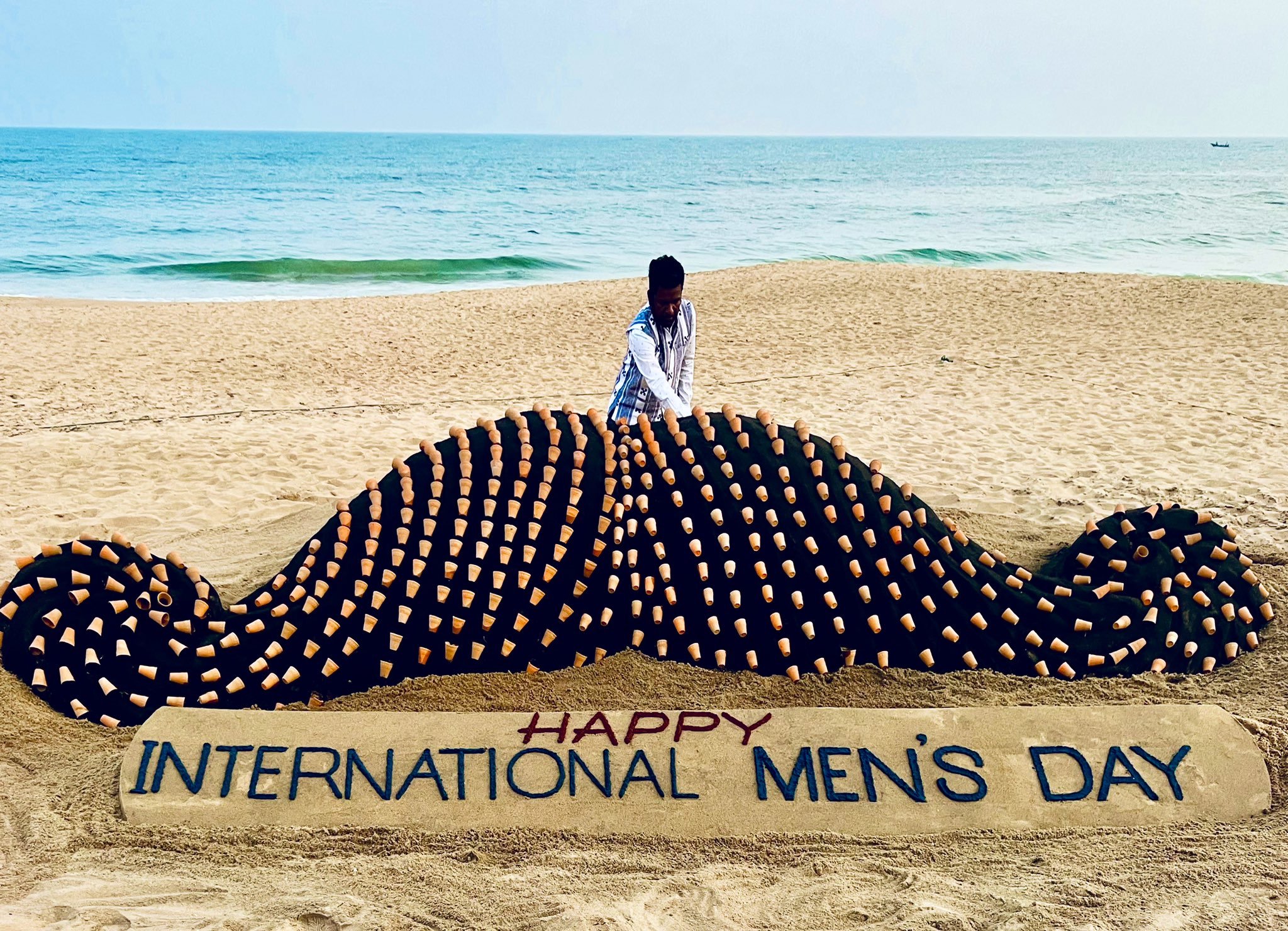
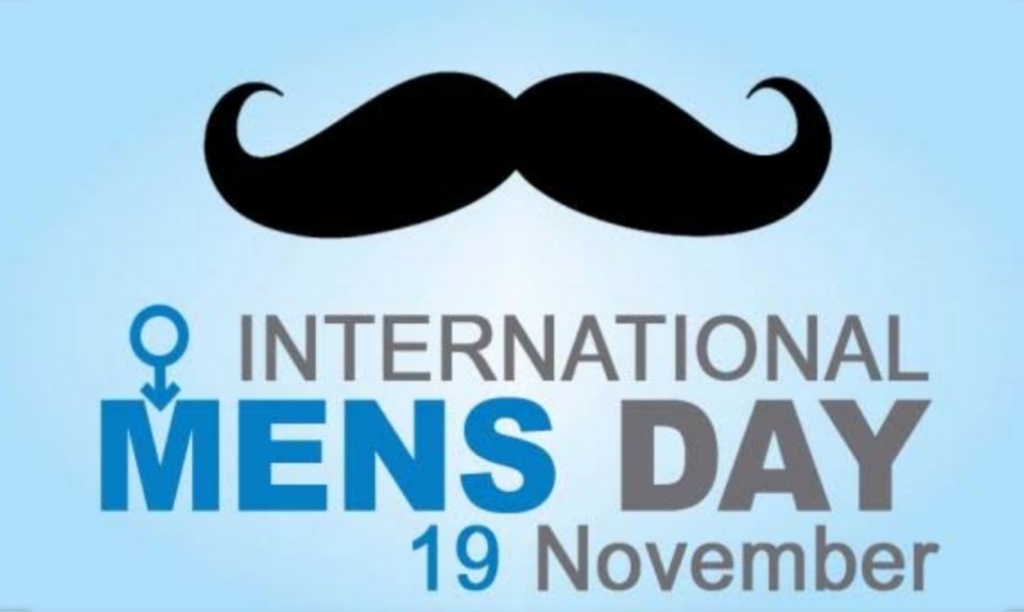
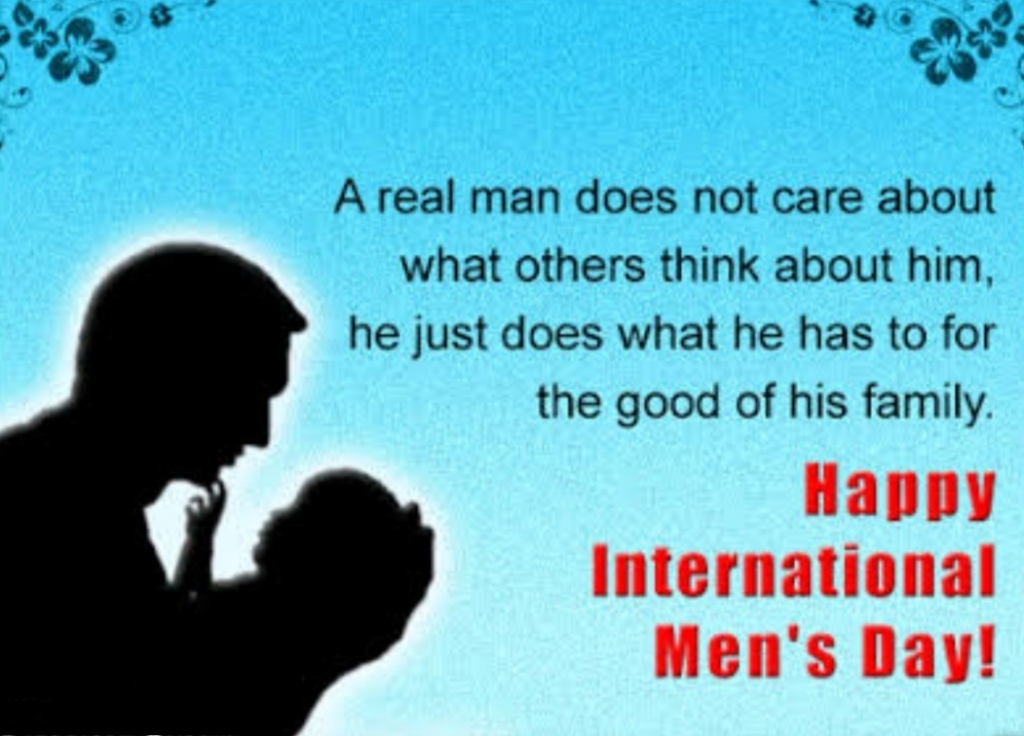
International Men’s Day (IMD) is an annual international event celebrated on the 19th of November. The objectives of celebrating an International Men’s Day are set out in ‘The Six Pillars of International Men’s Day’. It is an occasion to celebrate boys’ and men’s achievements and contributions, in particular for their contributions to nation, society, community, family, marriage, and childcare. The broader and ultimate aim of the event is to promote basic humanitarian values.
Inaugurated in 1992 on 7 February by Thomas Oaster, the project of International Men’s Day was conceived one year earlier on 8 February 1991. The project was re-initialised in 1999 in Trinidad and Tobago. The longest running celebration of International Men’s Day is Malta, where events have occurred since 7 February 1994.
Jerome Teelucksingh, who revived the event, chose 19 November to honour his father’s birthday and also to celebrate how on that date in 1989 Trinidad…
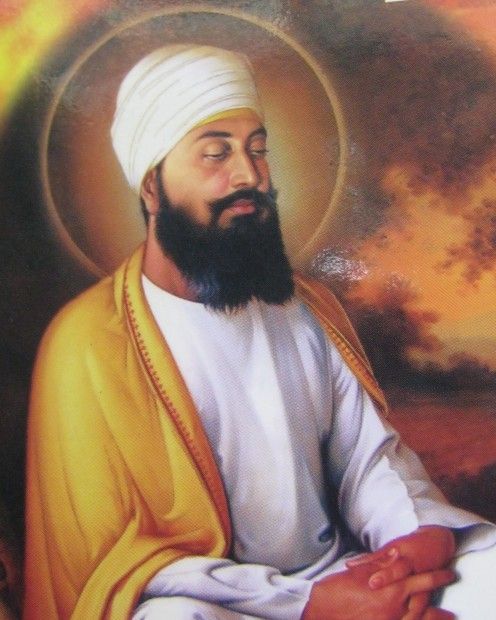
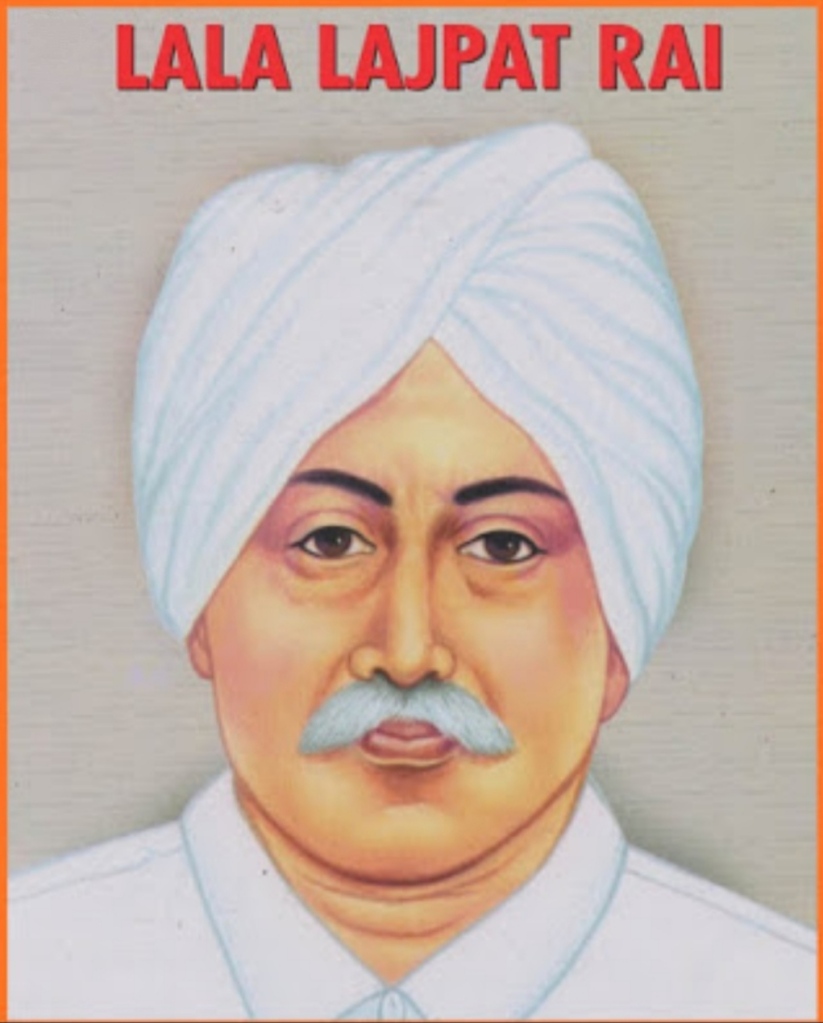
Lala Lajpat Rai was an Indian freedom fighter. He played a pivotal role in the Indian Independence movement. He was popularly known as Punjab Kesari. He was one of the three Lal Bal Pal triumvirate. He was also associated with activities of Punjab National Bank and Lakshmi Insurance Company in their early stages in 1894.
Lala Lajpat Rai
After joining the Indian National Congress and taking part in political agitation in Punjab, Lala Lajpat Rai was deported to Mandalay, Bud that there was insufficient evidence to hold him for subversion. Lajpat Rai’s supporters attempted to secure his election to the presidency of the party session at Surat in December 1907, but he did not succeed.
Graduates of the National College, which he founded inside the Bradlaugh Hall at Lahore as an alternative to British institutions, included Bhagat Singh. He…
Children’s Day is celebrated across India to raise awareness about the rights, education, and welfare of children. It is celebrated on 14 November every year on the birthday of the First Prime Minister of India, Pandit Jawaharlal Nehru, who was known to have been fond of children. On this day, many educational and motivational programs for children are held all over India.
Jawaharlal Nehru was affectionately called Chacha Nehru (“Uncle Nehru”) by children, and their faith in him was a constant source of happiness for him. As the Prime Minister, Nehru wanted to “create an atmosphere in the country where the attention is constantly focused on children and their welfare”. He had also established Children’s Film Society India in 1955 so that Indian children could see themselves represented.
Nehru’s concern for children and their welfare, M. O. Mathai wrote in his book My Days With Nehru (1979), “Nehru saw in their innocent faces and sparkling eyes the future of India. He was convinced that no amount of money spent on children and their mothers was too much, and that it was a sound investment for the future.”
When asked by Ram Narayan Chaudhary in an interview in 1958, if he was fond of children because the future of the country depended on the children, Nehru had replied, “I have always felt that the children of today will make the India of tomorrow, and, the way we bring them up will determine the future of the country.”
This philosophy is expressed in the letters written by him to Indira Gandhi, his daughter, when she was a young girl. The letters were also published as books. Letters from a Father to His Daughter (1929) and Glimpses of World History (1934) have gained fame as children’s non-fiction because, as Deepa Agarwal writes, “any child can respond to their warm, affectionate tone and his lucid and spontaneous style. The wealth of information woven into them and his unique approach to historical facts is an added bonus… communicating humanist values”.
World Diabetes Day is the primary global awareness campaign focusing on diabetes mellitus and is held on 14 November each year.
It was led by the International Diabetes Federation (IDF), each World Diabetes Day focuses on a theme related to diabetes; type-2 diabetes is largely preventable and treatable non-communicable disease that is rapidly increasing in numbers worldwide. Type 1 diabetes is not preventable but can be managed with insulin injections.
Topics covered have included diabetes and human rights, diabetes and lifestyle, diabetes and obesity, diabetes in the disadvantaged and the vulnerable, and diabetes in children and adolescents. While the campaigns last the whole year, the day itself marks the birthday of Frederick Banting who, along with Charles Best, first conceived the idea which led to the discovery of insulin in 1922.
World Diabetes Day was launched in 1991 by the International Diabetes Federation and the World Health Organization (WHO) in response to the rapid rise of diabetes around the world.
By 2016, World Diabetes Day was being commemorated by over 230 IDF member associations in more than 160 countries and territories, as well as by other organizations, companies, healthcare professionals, politicians, celebrities, and people living with diabetes and their families. Activities include diabetes screening programmes, radio and television campaigns, sports events and others.
World Kindness Day is an international observance on 13 November. It was introduced in 1998 by the World Kindness Movement, a coalition of nations’ kindness NGOs. It is observed in many countries, including Canada, Australia, Nigeria and the United Arab Emirates. Singapore observed the day for the first time in 2009. Italy and India also observed the day. In the UK, it is fronted by David Jamilly, who co-founded Kindness Day UK with Louise Burfitt-Dons.
World Kindness Day is to highlight good deeds in the community focusing on the positive power and the common thread of kindness which binds us. Kindness is a fundamental part of the human condition which bridges the divides of race, religion, politics, gender and zip codes. Kindness Cards are also an ongoing activity which can either be passed on to recognize an act of kindness and or ask that an…
National Education Day is an annual observance in India to commemorate the birth anniversary of Maulana Abul Kalam Azad, the first education minister of independent India, who served from 15 August 1947 until 2 February 1958. National Education Day of India is celebrated on 11 November every year.
The Ministry of Human Resource Development announced on 11 September 2008, “The Ministry has decided to commemorate the birthday of this great son of India by recalling his contribution to the cause of education in India. November 11 every year, from 2008 onwards, will be celebrated as the National Education Day, with declaring it as a holiday.”
All educational institutions in the country mark the day with seminars, symposia, essay-writing, elocution competitions, workshops and rallies with banner cards and slogans on the importance of literacy and the nation’s commitment to all aspects of education.
For inspiration to notice surrounding beauty, to feel gratitude, to face challenges and fears while sipping your favorite coffee roast or a beverage of your choice, check out my latest book:More than Coffee.
You must be logged in to post a comment.