When it comes to creating a more balanced, happy life, we often look to massive lifestyle shifts as the only solution. (If you, like me, have ever set a New Year’s resolution to simply “be healthier”, you probably know what I mean).This mentality often results in overwhelm, lack of sustainability, and a huge sense of frustration when results don’t come as quickly or as easily as we’d like.
Sometimes all is takes is a quick adjustment in our daily routine to change our lives. Here are a few habits that make your life better :
Cut Your Plate in Half – Portions are too big, including the ones we serve ourselves. Next time you serve yourself, just fill half your plate (there’s always seconds). You’re less likely to overeat if you don’t load up from the get-go. At a restaurant? Take half home for the next day.
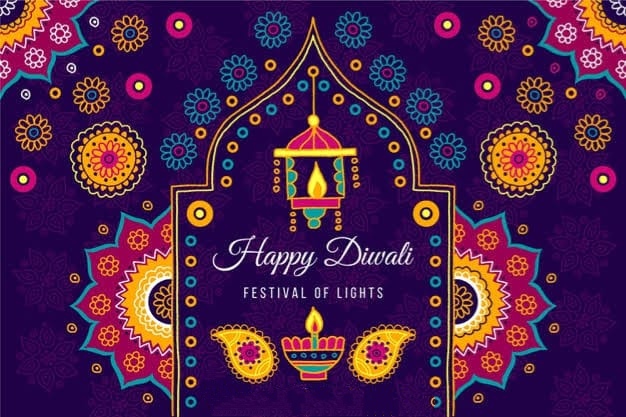
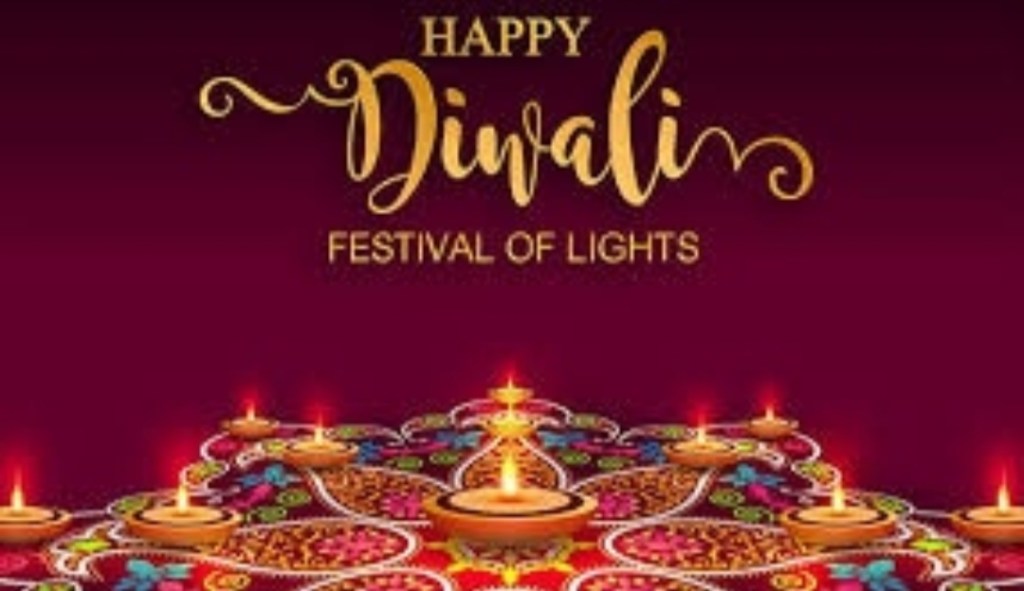
Diwali (Deepavali or Divali) is the Indian festival of lights, usually lasting five days and celebrated during the Hindu Lunisolar month Kartika (between mid-October and mid-November). One of the most popular festivals of Hinduism, Diwali symbolizes the spiritual “victory of light over darkness, good over evil, and knowledge over ignorance”.
The festival is widely associated with Lakshmi, goddess of prosperity, with many other regional traditions connecting the holiday to Sita and Rama, Vishnu, Krishna, Yama, Yami, Durga, Kali, Hanuman, Ganesha, Kubera, Dhanvantari, or Vishvakarman. Furthermore, it is, in some regions, a celebration of the day Lord Rama returned to his kingdom Ayodhya with his wife Sita and his brother Lakshmana after defeating Ravana in Lanka and serving 14 years of exile.
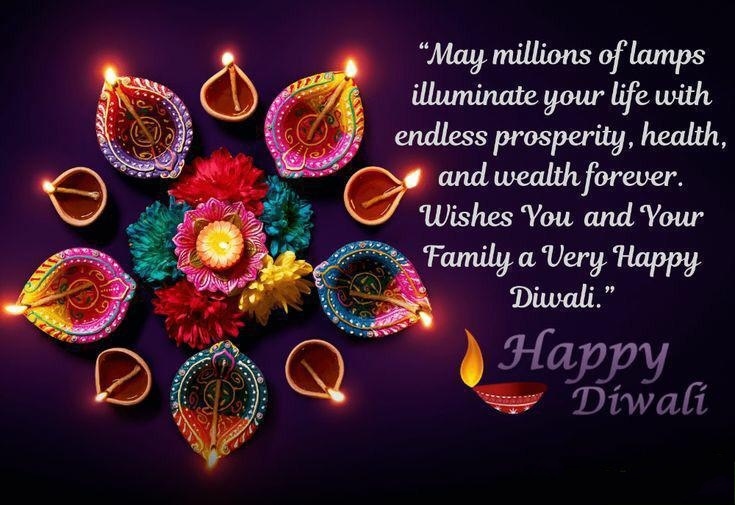
In the lead-up to Diwali, celebrants will prepare by cleaning, renovating, and decorating their homes and workplaces with diyas (oil lamps) and rangolis. During Diwali, people wear their finest clothes, illuminate the interior and exterior of their homes with diyas and rangoli, perform (Lakshmi puja) – worship ceremonies of Lakshmi, the goddess of prosperity and wealth, light fireworks, and partake in family feasts, where mithai (sweets) and gifts are shared. Diwali is also a major cultural event for the Hindu and Jain diaspora from the Indian subcontinent.
The five-day long festival originated in the Indian subcontinent and is mentioned in early Sanskrit texts. Diwali is usually celebrated twenty days after the Dashera (Dasara) festival, with Dhanteras, or the regional equivalent, marking the first day of the festival when celebrants prepare by cleaning their homes and making decorations on the floor, such as rangolis. The second day is Naraka Chaturdashi. The third day is the day of Lakshmi Puja and the darkest night of the traditional month.
In some parts of India, the day after Lakshmi Puja is marked with the Govardhan Puja and Balipratipada (Padwa). Some Hindu communities mark the last day as Bhai Dooj or the regional equivalent, which is dedicated to the bond between sister and brother, while other Hindu and Sikh craftsmen communities mark this day as Vishwakarma Puja and observe it by performing maintenance in their work spaces and offering prayers.
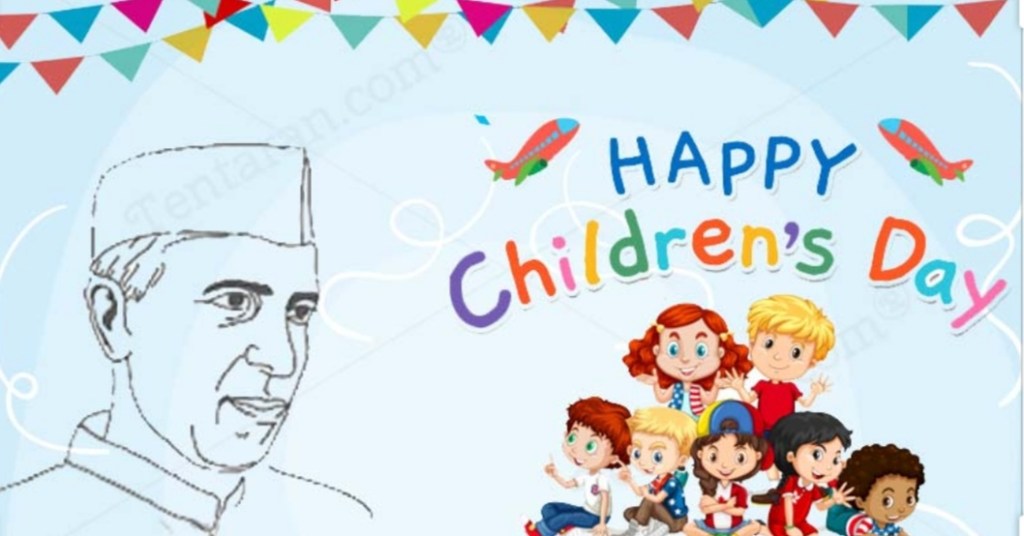
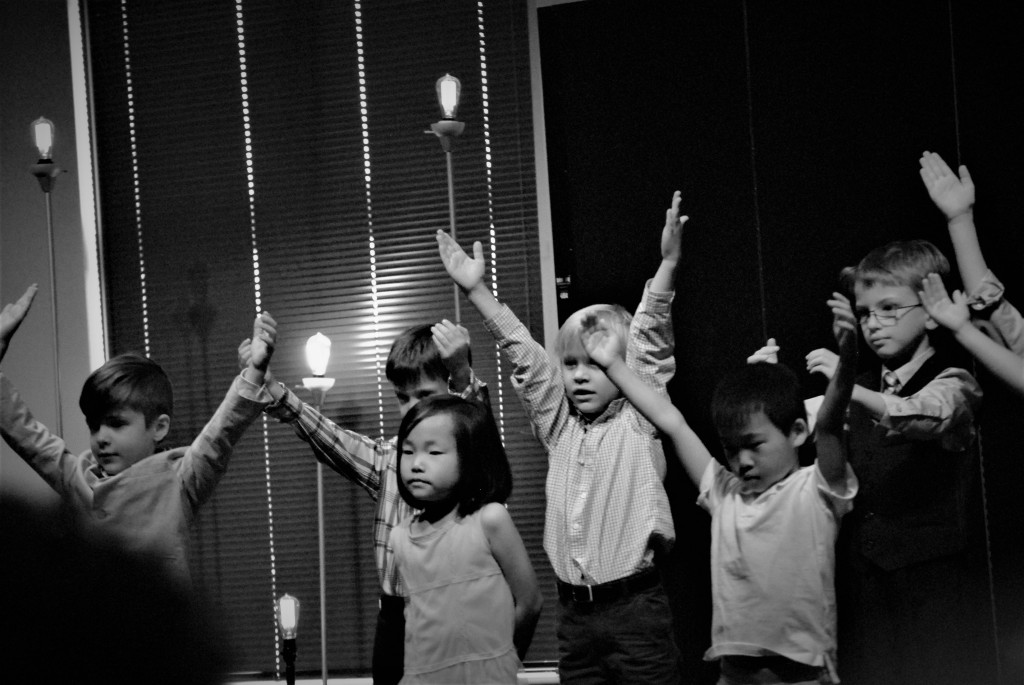
Children’s Day is celebrated across India to increase awareness of the rights, care and education of children. It is celebrated on 14 November every year as a tribute to India’s First Prime Minister, Jawaharlal Nehru. Fondly known as Chacha Nehru among children, he advocated for children to have fulfilled education. Nehru considered children as real strength of a nation and foundation of society. On this day, many educational and motivational programs are held across India for children.
The celebration of Children’s Day in India dates back to 1956. Prior to the death of Pt. Jawaharlal Nehru, India celebrated Children’s Day on 20 November (the date observed as Universal Children’s Day by the United Nations). After the death of Jawaharlal Nehru, his birth anniversary was deliberated to be celebrated as Children’s Day in India. It was done so because he was very popular with the kids as Chacha Nehru, hence, a resolution was passed in the parliament to give a befitting farewell to the first Prime Minister of India.
( आत्म-उद्धार के लिए प्रेरणा और भगवत्प्राप्त पुरुष के लक्षण )
The chief executive shall endeavour to elevate himself by his deeds and shall not demote him from his exalted state. One is one’s own friend and one is one’s own enemy. (6.5)
अपने द्वारा अपना संसार-समुद्र से उद्धार करे और अपने को अधोगति में न डाले क्योंकि यह मनुष्य आप ही तो अपना मित्र है और आप ही अपना शत्रु है ॥5॥
The chief executive shall endeavour to elevate himself by his deeds and shall not demote him from his exalted state. One is one’s own friend and one is one’s own enemy. (6.5)
Dhanteras also known as Dhanatrayodashi is the first day that marks the festival of Diwali in India.
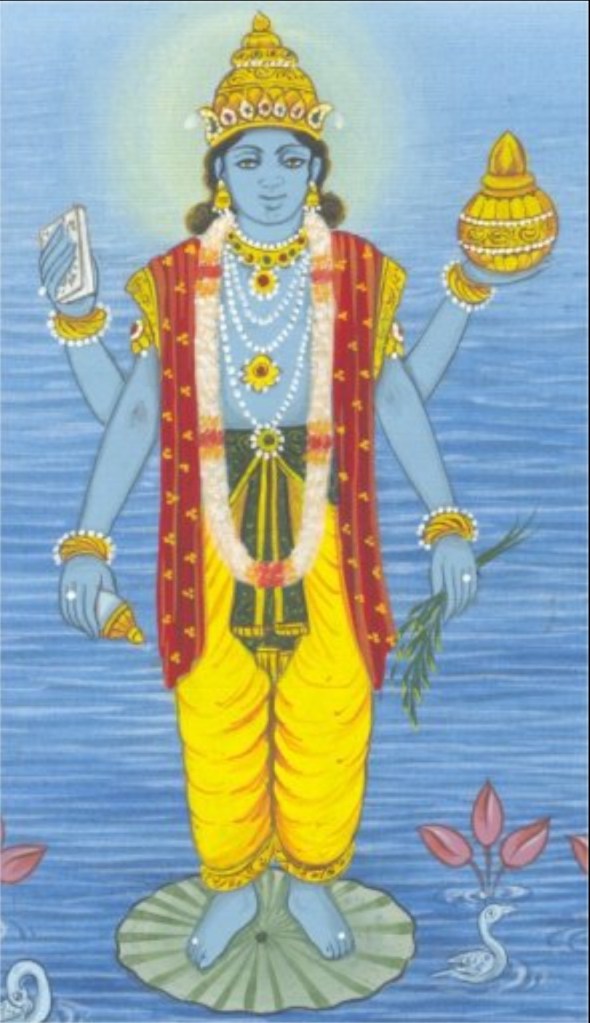
It is celebrated on the thirteenth lunar day of Krishna Paksha (dark fortnight) in the Hindu calendar month of Kartik. Dhanvantari, who is also worshipped on the occasion of Dhanteras, is considered the God of Ayurveda who imparted the wisdom of Ayurveda for the betterment of mankind, and to help rid it of the suffering of disease.
The Indian ministry of Ayurveda, Yoga and Naturopathy, Unani, Siddha and Homeopathy, announced its decision to observe Dhanteras, as the “National Ayurveda Day”, which was first observed on 28 October 2016. Usually, Gujarati families will enjoy a meal of daal baath and malpura to ring in the new year.
Dhanvantari is the god of health.
Dhanteras is the worship of lord Dhanvantari. Lord Dhanvantari, according to Hindu Mythology, emerged during Samudra Manthan, holding a Kalasha full of Amrit (an Ayurvedic herbal mix bestowing immortality) in one hand and the sacred text about Ayurveda in the other hand. He is considered to be the Vaidya of Gods.
The festival is celebrated as Lakshmi Puja which is performed in the evenings when lamps of clay (Diyas) are lit. Bhajans, devotional songs in praise of Goddess Lakshmi, are sung and Naivedhya of traditional sweets is offered to the Goddess. A peculiar custom in Maharashtra exists where people lightly pound dried coriander seeds (Dhane in Marathi, for Dhanatrayodashi) with jaggery (cane sugar) and offer the mixture as Naivedhya.
On Dhanteras, homes that have not yet been cleaned in preparation for Diwali are thoroughly cleansed and whitewashed, and Lord Dhanvantari, the god of health and Ayurveda, is worshiped in the evening. The main entrance is decorated with colorful lanterns, holiday lights and traditional motifs of Rangoli designs are made to welcome the Goddess of Wealth and Prosperity. To indicate her long-awaited arrival, small footprints are drawn with rice flour and vermilion powder all over the house. On the night of Dhanteras, diyas (lamps) are ritually kept burning all through the night in honor of Lakshmi and Dhanvantari.
Hindus consider this an extremely auspicious day for making new purchases, especially of gold or silver articles and new utensils. It is believed that new “Dhan” (wealth) or some item made of precious metal is a sign of good luck. In modern times, Dhanteras has come to be known as the most auspicious occasion for buying gold, silver, and other metals, especially kitchenware. The day also sees heavy purchases of appliances and automobiles.
On this night, the lights are set out every night both in the sky lamps and as offerings at the base of a Tulsi plant and also in the form of diyas, which are placed in front of the doorways of homes. This light is an offering to Yama, the Host of Death, to avert untimely death during the time of the Diwali festival. This day is a celebration aimed at increasing wealth and prosperity. Dhanteras engages themes of cleansing, renewal, and the securing of auspiciousness as embodied by Lakshmi.
In the villages, cattle are adorned and worshiped by farmers as their main source of income.
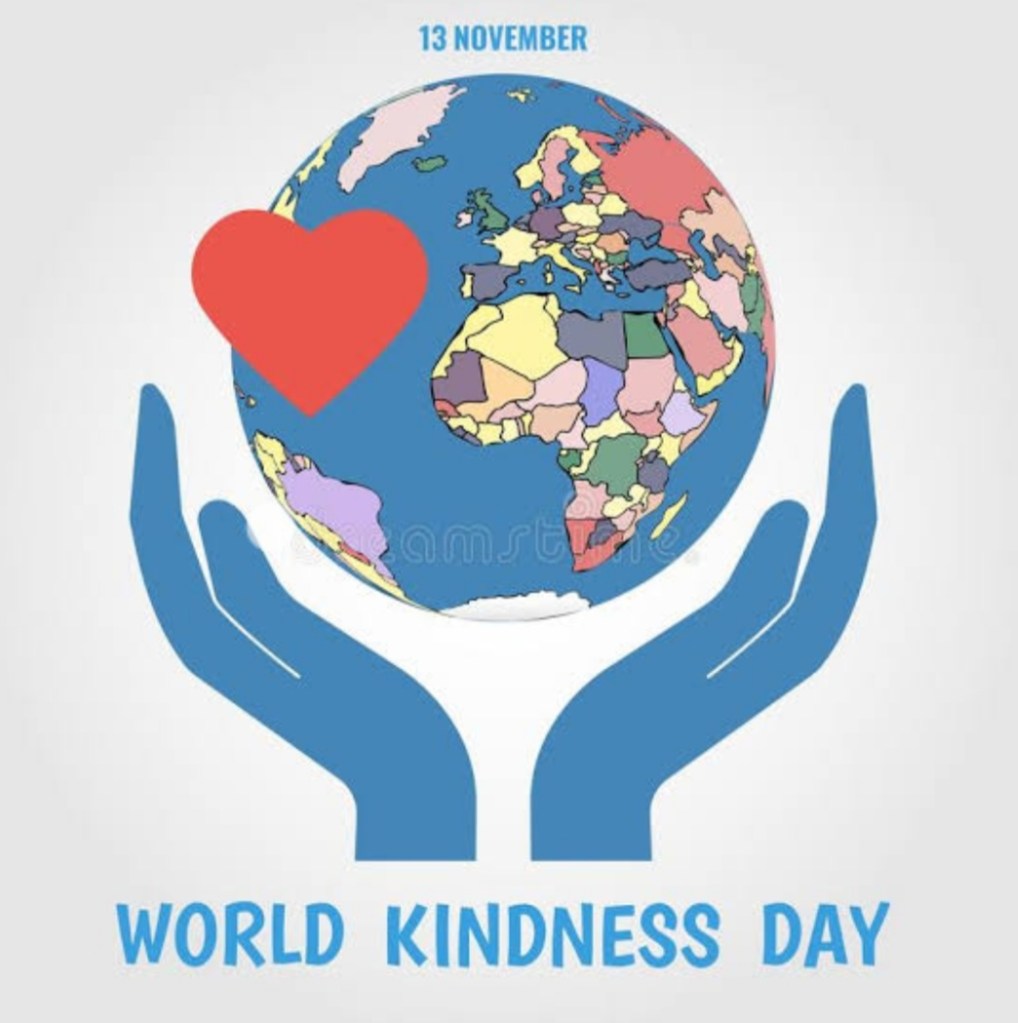
World Kindness Day is an international observance on 13 November. It was introduced in 1998 by the World Kindness Movement, a coalition of nations’ kindness NGOs. It is observed in many countries, including Canada, Australia, Nigeria and the United Arab Emirates. Singapore observed the day for the first time in 2009. Italy and India also observed the day. In the UK, it is fronted by David Jamilly, who co-founded Kindness Day UK with Louise Burfitt-Dons.
World Kindness Day is to highlight good deeds in the community focusing on the positive power and the common thread of kindness which binds us. Kindness is a fundamental part of the human condition which bridges the divides of race, religion, politics, gender and zip codes. Kindness Cards are also an ongoing activity which can either be passed on to recognize an act of kindness and or ask that an act of kindness be done. Approaches are being made to the United Nations by the peak global body, the World Kindness Movement, to have World Kindness Day officially recognized and its members unanimously sign a Declaration of Support for World Kindness.
According to Gulf News, “it is a day that encourages individuals to overlook boundaries, race and religion.”
Today at d’Verse, Peter asked us to write a documentary poem. He challenged us to write about an event that is local or does not get much attention. I saw this on the local news this…


















 B +Ve!!
You must be logged in to post a comment.