International Dance Day is a global celebration of dance, created by the Dance Committee of the International Theatre Institute (ITI), the main partner for the performing arts of UNESCO. The event takes place every year on 29 April, which is the anniversary of the birth of Jean-Georges Noverre (1727–1810), the creator of modern ballet. The day strives to encourage participation and education in dance through events and festivals held on the date all over the world. UNESCO formally recognize ITI to be the creators and organizers of the event.
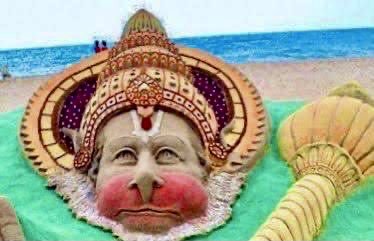
Hanuman Jayanti is a Hindu religious festival that celebrates the birth of Hindu God Hanuman, who is immensely venerated throughout India and Nepal. This festival is celebrated on different days in different parts of India. In most states of India, the festival is observed either in Chaitra (usually on the day of Chaitra Pournimaa) or in Vaishakha, while in a few states like Kerala and Tamil Nadu, it is celebrated in Dhanu (called Margazhi in Tamil).
Lord Hanuman is worshipped as a deity with the ability to attain victory against evil and provide protection. On this auspicious day, devotees of Lord Hanuman celebrate him and seek his protection and blessings. They flock to temples to worship him and present religious offerings. In return, The devotees receive Prasad by the temple priests as sweets, flowers, coconuts, tilak, sacred ash (udi) and Ganga jal (holy water). People also celebrate him on this day by reciting various devotional hyms and prayers like the Hanuman Chalisa and reading holy scriptures like the Ramayana and Mahabharata.
Sand art by Sudarsan Pattnaik
Hanuman Janam-Utsav is an important festival of the Hindus. Hanuman Janmotsav is also the biggest celebrated festival in India. Lord Hanuman is an ardent devotee of Lord Rama and is widely known for his unflinching devotion to Rama. Hanuman is the symbol of strength and energy. He is said to be able to assume any form at will, wield the gada (including many celestial weapons), move mountains, dart through the air, seize the clouds, and equally rival Garuda in the swiftness of flight.
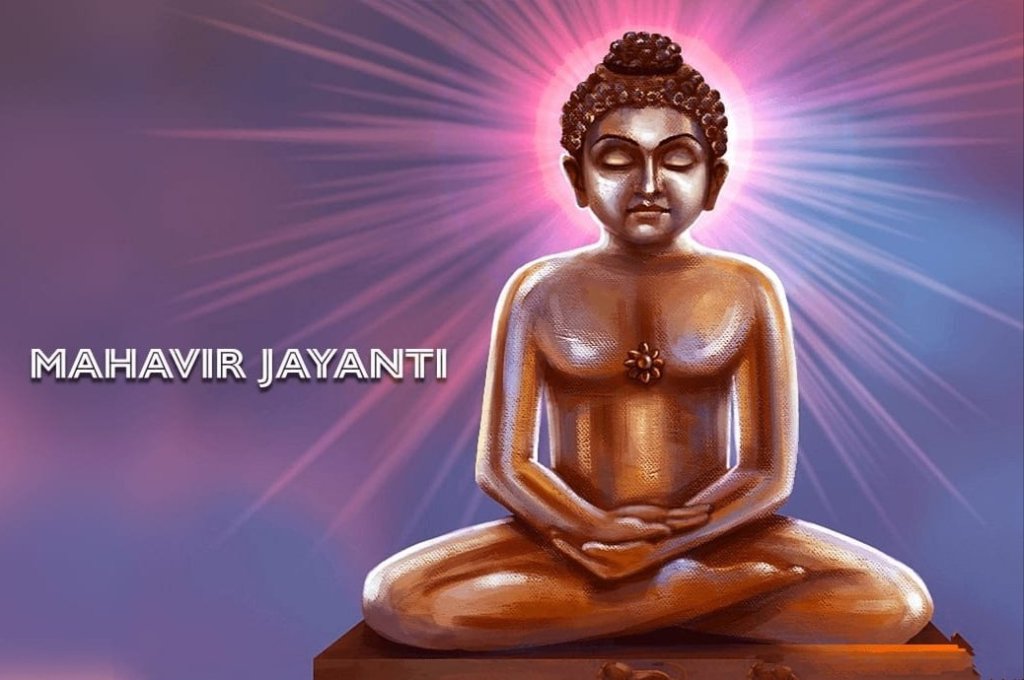
Mahavir Janma Kalyanak is one of the most important religious festivals in Jainism. It celebrates the birth of Mahavir, the twenty-fourth and last Tirthankara of present Avasarpiṇī. On the Gregorian calendar, the holiday occurs either in March or April.
According to Jain texts, Mahavir was born on the thirteenth day of the bright half of the moon in the month of Chaitra in the year 599 BCE (Chaitra Sud 13). Most modern historians consider Kundagram (which is today’s Kundalpur in Champaran district of Bihar) as his birthplace. Mahavir was born in a democratic kingdom (Ganarajya), Vajji, where the king was chosen by votes. Vaishali was its capital.
Mahavir was named ‘Vardhaman’, meaning “One who grows”, because of the increased prosperity in the kingdom at the time of his birth. In Vasokund, Mahavir is revered by the villagers. A place called Ahalya bhumi has not been ploughed for hundreds of years by the family that owns it, as it is considered to be the birthplace of Mahavir.
Mahavirswami was born into Ikshvaku dynasty as the son of King Siddhartha of Kundagrama and Queen Trishala. During her pregnancy, Trishala was believed to have had a number of auspicious dreams, all signifying the coming of a great soul. Digambara sect of Jainism holds that the mother saw sixteen dreams which were interpreted by the King Siddhartha.[8] According to the Svetambara sect, the total number of auspicious dreams is fourteen. It is said that when Queen Trishala gave birth to Mahavir, Indra, the head of heavenly beings (devas) performed a ritual called abhisheka on Sumeru Parvat, this being the second of five auspicious events (Panch Kalyanakas), said to occur in the life of all Tirthankaras.[9] In the book of Jainism “Aao Jain Dharm Ko Jane”, it is written that Mahavir Jain Ji in his time started 363 hypocritical practices which are practiced in Jainism till date.
UN English Day is observed annually on the 23rd April. The event was established by UN’s Department of Public Information in 2010 “to celebrate multilingualism and cultural diversity as well as to promote equal use of all six official languages throughout the organization”.
For the English Language Day, April was chosen because it is the date “traditionally observed as both the birthday and date of death of William Shakespeare”. Other dates were selected for the celebration of the UN’s other five official languages.
The plaintive cuckoo (Cacomantis merulinus) is a species of bird belonging to the genus Cacomantis in the cuckoo family Cuculidae. It is native to Asia, from India, Nepal and China to Indonesia.
Earth Day is an annual event on April 22 to demonstrate support for environmental protection. First held on April 22, 1970, it now includes a wide range of events coordinated globally by EARTHDAY.ORG (formerly Earth Day Network) including 1 billion people in more than 193 countries.
On Earth Day 2020, over 100 million people around the world observed the 50th anniversary in what is being referred to as the largest online mass mobilization in history.
World Creativity and Innovation Day (#WCID) is a global UN day celebrated on April 21 to raise awareness around the importance of creativity and innovation in problem solving with respect to advancing the United Nations sustainable development goals, also known as the “global goals”. The day was created with UN resolution 71/284 with the support of 80 countries. The first World Creativity and Innovation Day was celebrated on April 21, 2018.
The purpose of the day is to encourage creative multidisciplinary thinking at the individual and group levels which, according to a special report on the creative economy by UNESCO, UNDP, and UNOSSC, has “become the true wealth of nations in the 21st century.”
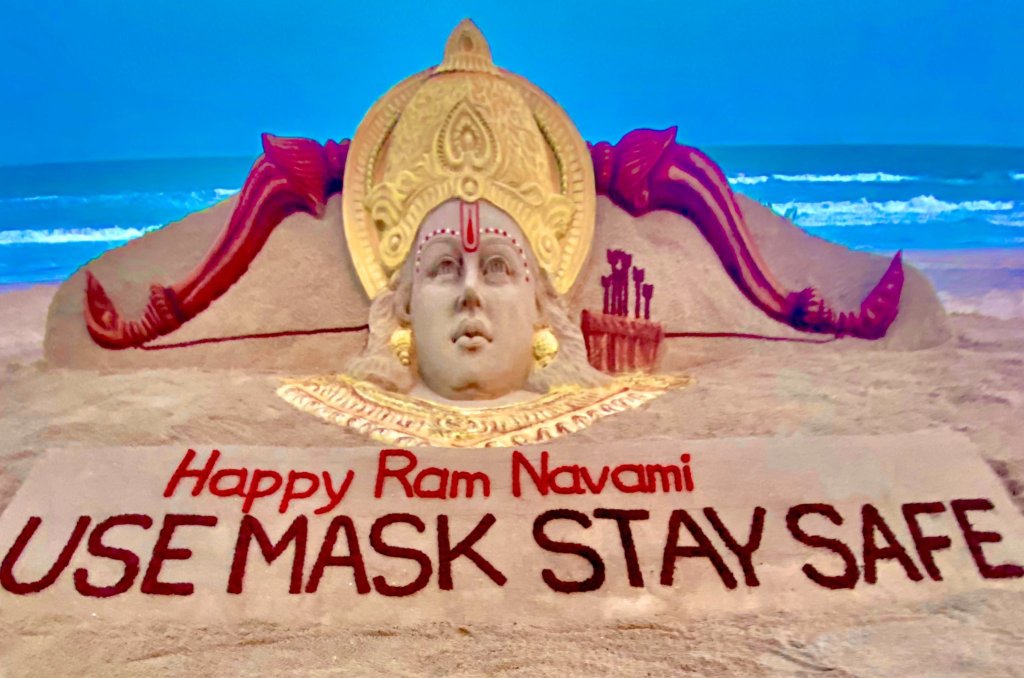
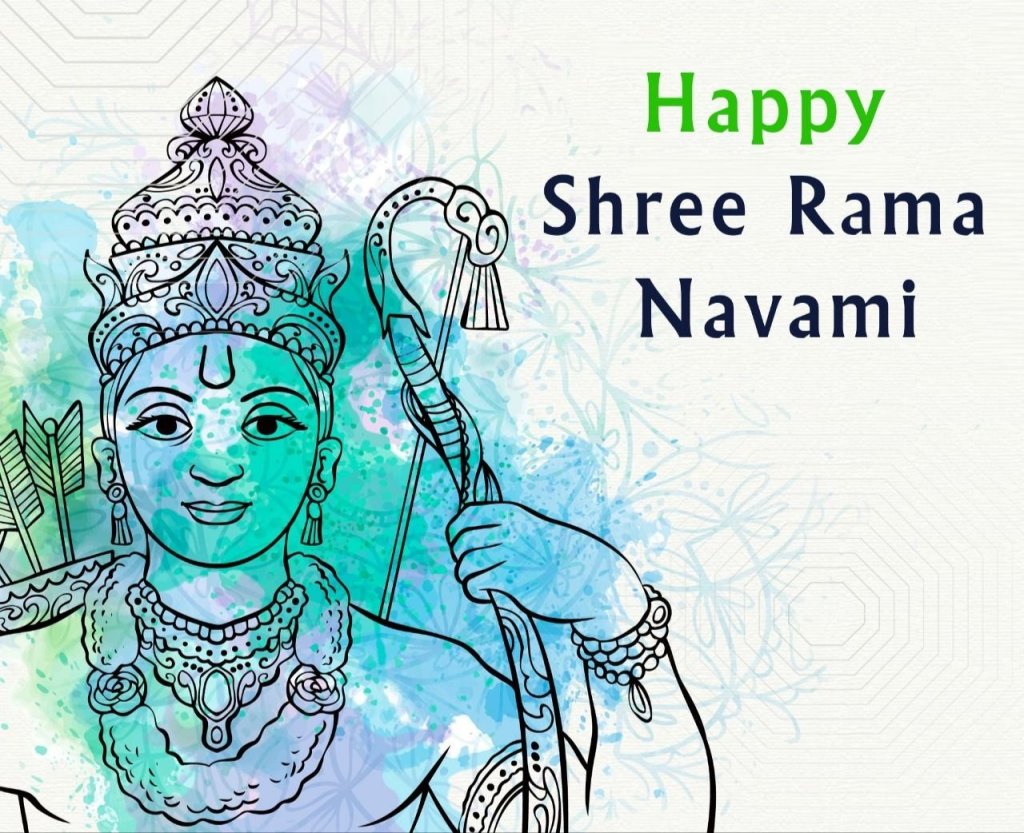
Ram Navami is a spring Hindu festival that celebrates the birthday of the Hindu God Lord Rama. He is particularly important to the Vaishnavism tradition of Hinduism, as the seventh avatar of God Vishnu. “Hazaribagh’s Ram navami” show is international.The festival celebrates the descent of Vishnu as shri Ram avatar, through his birth to King Dasharatha and Queen Kausalya in Ayodhya. The festival is a part of the spring Navratri, and falls on the ninth day of the bright half (Shukla Paksha) in the Hindu calendar month of Chaitra. This typically occurs in the Gregorian months of March or April every year. Rama Navami is an optional government holiday in India.
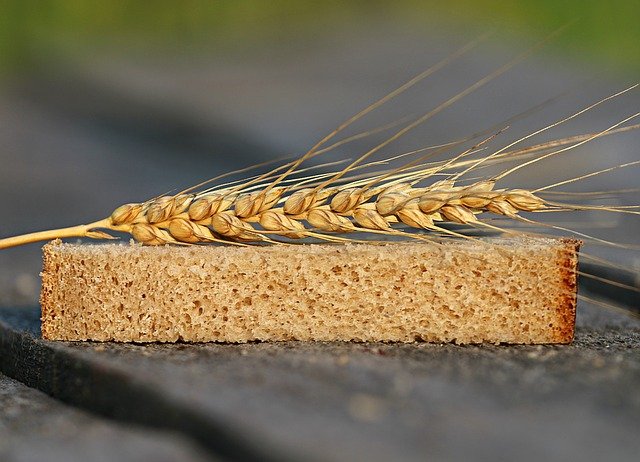
Once upon a time, There was a very poor old man who passed life so hard. His son and daughter were sick, and the poverty didn’t allow him to take them to a doctor.
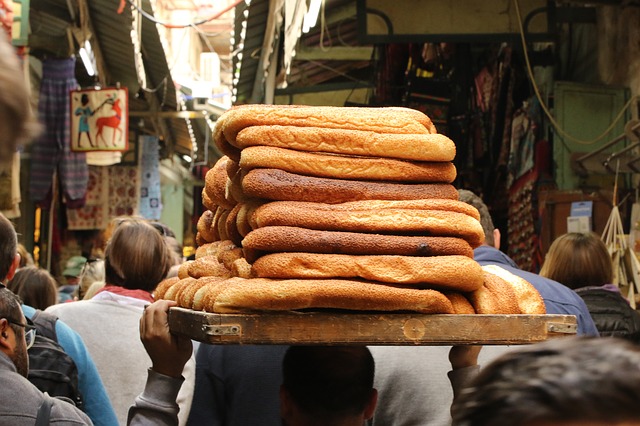
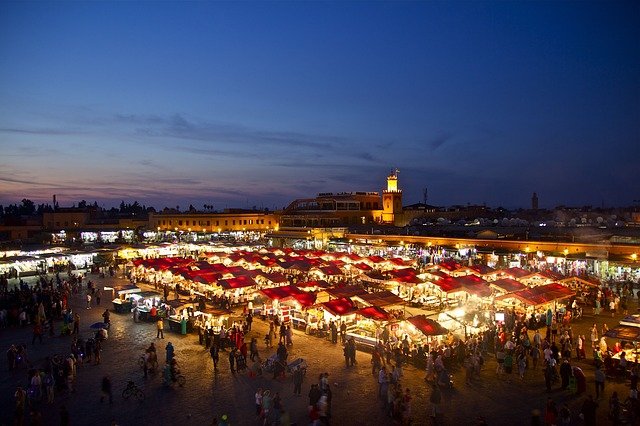
He didn’t even have money for a portion of proper food for his children. They had ripped clothes and not a very warm place to sleep. His job was to walk around the bazaar and beg for money to buy a piece of bread and take it home to feed them.
Every night he came home tired with a broken heart. He was so ashamed and couldn’t face his children. One of the days, no one gave him even a penny. He walked from alleys to bazaars, but still no luck for a piece of bread.
He couldn’t go home empty-handed; he was tired and disgraceful. He decided to go to the miller and…
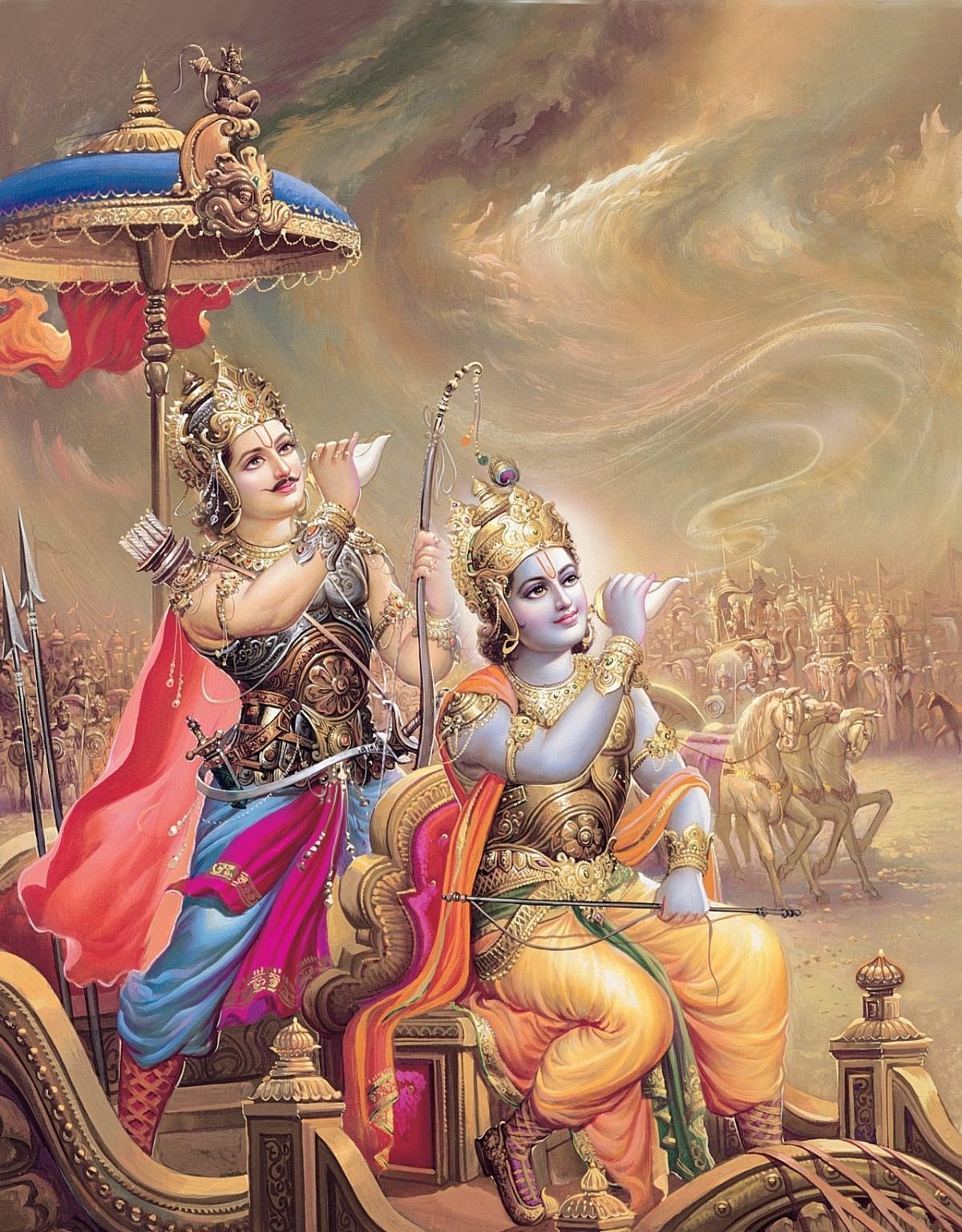
देवद्विजगुरुप्राज्ञपूजनं शौचमार्जवम्। ब्रह्मचर्यमहिंसा च शारीरं तप उच्यते॥
A leader attains command over his followers by practising virtues such as worship of the elders, wise men and scholars, personal hygiene, virtuosity, celibacy and nonviolence. These are deemed as spirituality through the physical functions. (17.14)
देवता, ब्राह्मण, गुरु (यहाँ ‘गुरु’ शब्द से माता, पिता, आचार्य और वृद्ध एवं अपने से जो किसी प्रकार भी बड़े हों, उन सबको समझना चाहिए।) और ज्ञानीजनों का पूजन, पवित्रता, सरलता, ब्रह्मचर्य और अहिंसा- यह शरीर- सम्बन्धी तप कहा जाता है ॥14॥
A leader attains command over his followers by practising virtues such as worship of the elders, wise men and scholars, personal hygiene, virtuosity, celibacy and nonviolence. These are deemed as spirituality through the physical functions. (17.14)
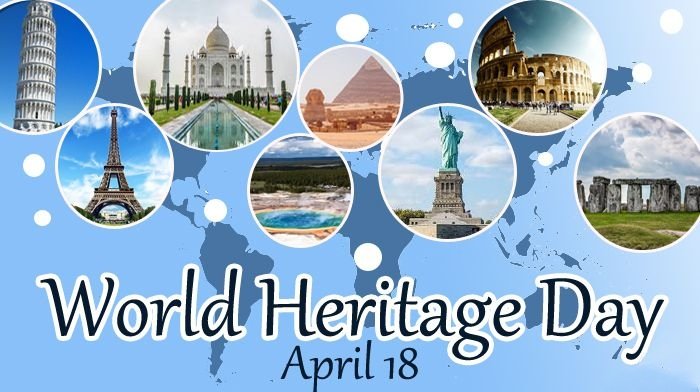
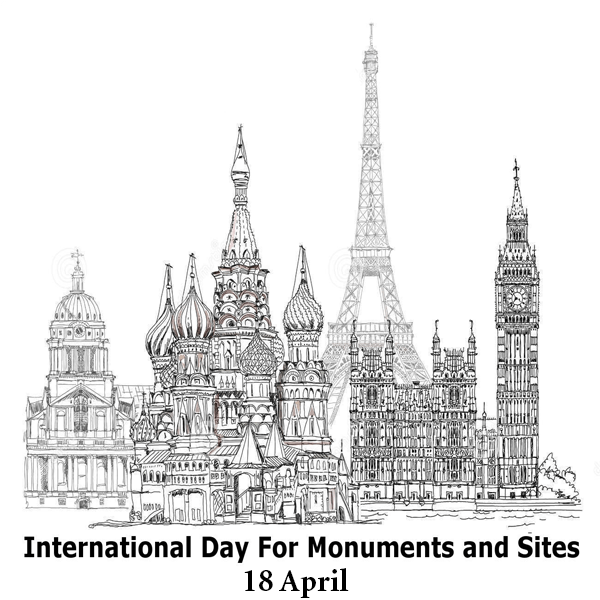
The International Day for Monuments and Sites also known as World Heritage Day is an international observance held on 18 April each year around the world with different types of activities, including visits to monuments and heritage sites, conferences, round tables and newspaper articles. Each year has a theme, for example sustainable tourism in 2017 and rural landscapes in 2019.
The International Day for Monuments and Sites was proposed by the International Council on Monuments and Sites (ICOMOS) on 18 April 1982 and approved by the General Assembly of UNESCO in 1983. The aim is to promote awareness about the diversity of cultural heritage of humanity, their vulnerability and the efforts required for their protection and conservation.














You must be logged in to post a comment.