Thanksgiving is a federal holiday in the United States, celebrated on the fourth Thursday of November. It is sometimes called American Thanksgiving (outside the United States) to distinguish it from the Canadian holiday of the same name.
It originated as a harvest festival, and the centerpiece of Thanksgiving celebrations remains Thanksgiving dinner. The dinner traditionally consists of foods and dishes indigenous to the Americas, namely turkey, potatoes (usually mashed), stuffing, squash, corn (maize), green beans, cranberries (typically in sauce form), and pumpkin pie.
In American culture Thanksgiving is regarded as the beginning of the fall–winter holiday season, which includes Christmas and the New Year.
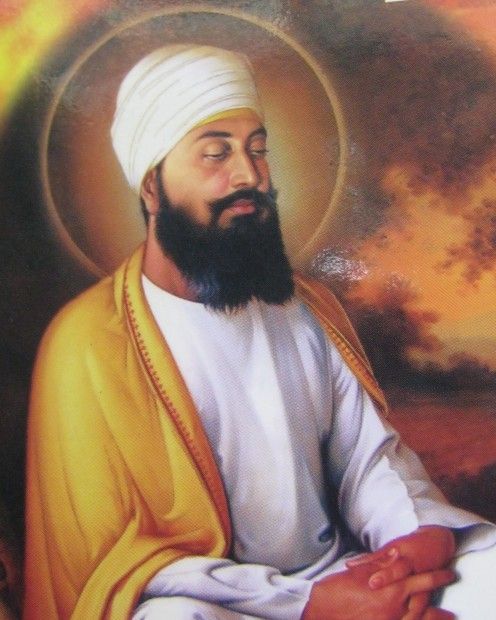
Guru Tegh Bahadur (1 April 1621 – 24 November 1675) was the ninth of ten Gurus of the Sikh religion. He was born at Amritsar in 1621 and was the youngest son of Guru Hargobind. His term as Guru ran from 1665 to 1675. One hundred and fifteen of his hymns are in Guru Granth Sahib. There are several accounts explaining the motive behind the assassination of Guru Tegh Bahadur on Aurangzeb’s orders.
Sikh tradition states that the guru stood up for the rights of Kashmiri Pandits who approached him to intercede on their behalf with the emperor and ask him to revoke a recently imposed jizya (tax) and was publicly killed in 1675 on the orders of Mughal emperor Aurangzeb in Delhi for himself refusing Mughal rulers and defying them. Gurudwara Sis Ganj Sahib and Gurdwara Rakab Ganj Sahib in Delhi mark…
Feelings not well expressed can cause difficult to heal scars in the heart. That need to be well communicated in our lifetime for a healthy lasting relationship…
It only seems As a matter of time Until my heart will burst With all the love it contains For you It is like being in a telephone booth Locked And the water levels rising Like the love in my heart Some day when the water Gets too high Making it difficult for me To breathe I’ll finally express All the love I feel for you And I’ll be free From holding it in For so long
On 21 and 22 November 1996 the United Nations held the first World Television Forum, where leading media figures met under the auspices of the United Nations to discuss the growing significance of television in today’s changing world and to consider how they might enhance their mutual cooperation.
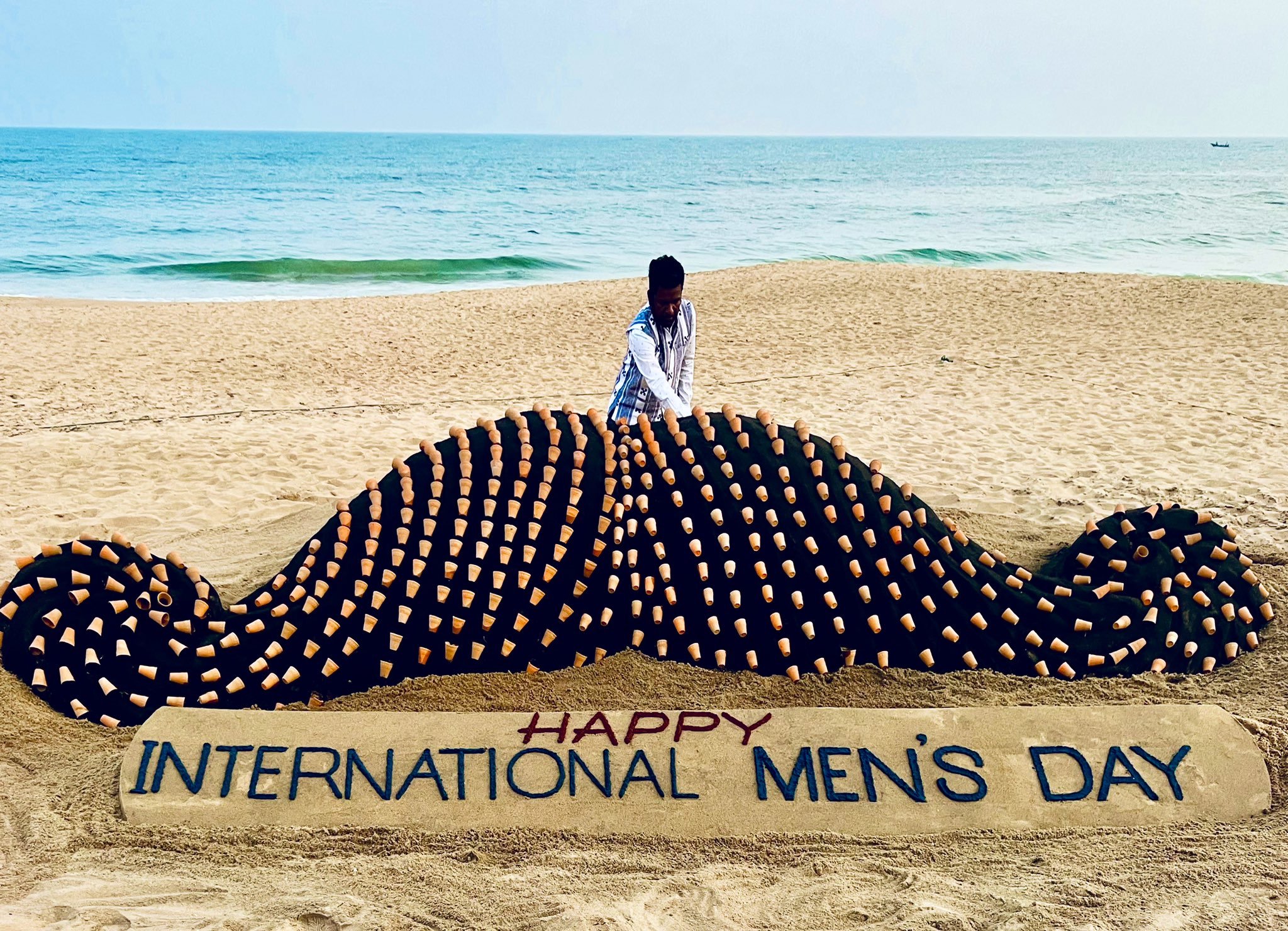
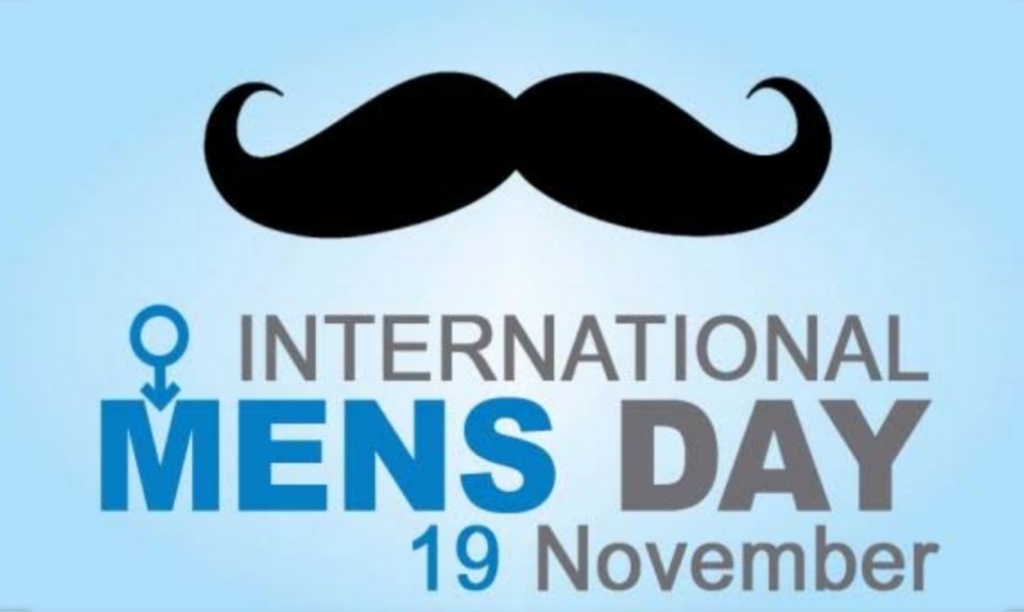
International Men’s Day (IMD) is an annual international event celebrated on the 19th of November. The objectives of celebrating an International Men’s Day are set out in ‘The Six Pillars of International Men’s Day’. It is an occasion to celebrate boys’ and men’s achievements and contributions, in particular for their contributions to nation, society, community, family, marriage, and childcare. The broader and ultimate aim of the event is to promote basic humanitarian values.
Inaugurated in 1992 on 7 February by Thomas Oaster, the project of International Men’s Day was conceived one year earlier on 8 February 1991. The project was re-initialised in 1999 in Trinidad and Tobago. The longest running celebration of International Men’s Day is Malta, where events have occurred since 7 February 1994.
Jerome Teelucksingh, who revived the event, chose 19 November to honour his father’s birthday and also to celebrate how on that date in 1989 Trinidad…
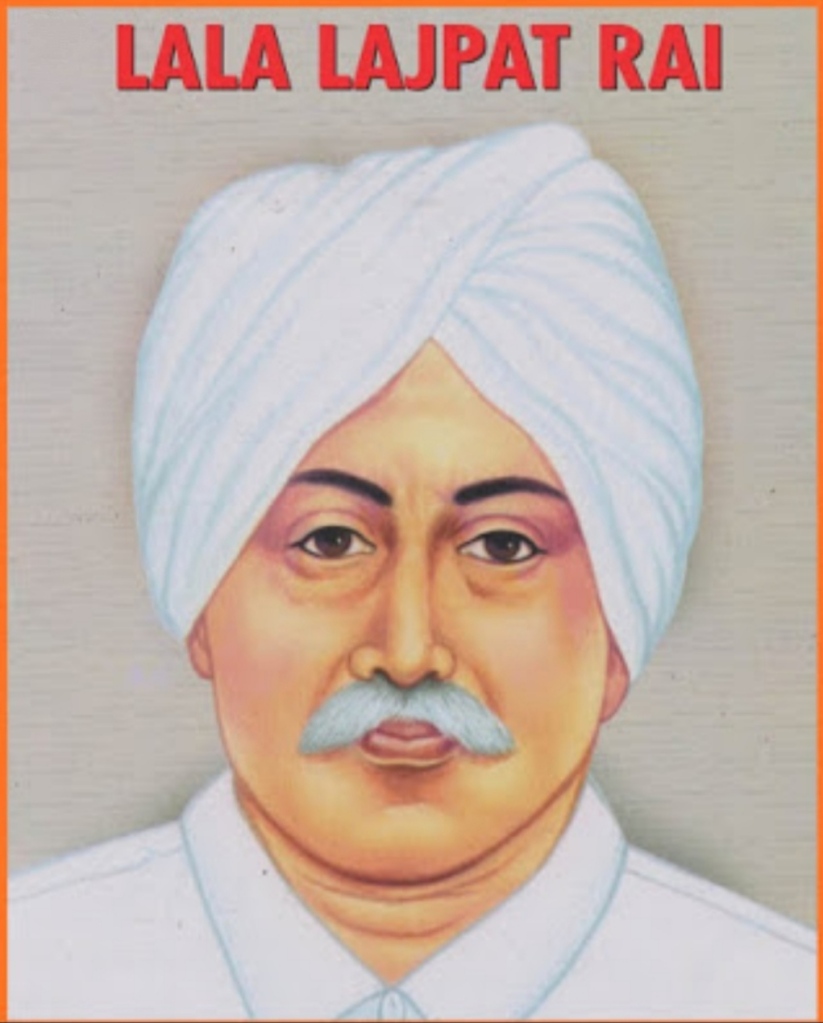
Lala Lajpat Rai was an Indian freedom fighter. He played a pivotal role in the Indian Independence movement. He was popularly known as Punjab Kesari. He was one of the three Lal Bal Pal triumvirate. He was also associated with activities of Punjab National Bank and Lakshmi Insurance Company in their early stages in 1894.
Lala Lajpat Rai
After joining the Indian National Congress and taking part in political agitation in Punjab, Lala Lajpat Rai was deported to Mandalay, Bud that there was insufficient evidence to hold him for subversion. Lajpat Rai’s supporters attempted to secure his election to the presidency of the party session at Surat in December 1907, but he did not succeed.
Graduates of the National College, which he founded inside the Bradlaugh Hall at Lahore as an alternative to British institutions, included Bhagat Singh. He…
Children’s Day is celebrated across India to raise awareness about the rights, education, and welfare of children. It is celebrated on 14 November every year on the birthday of the First Prime Minister of India, Pandit Jawaharlal Nehru, who was known to have been fond of children. On this day, many educational and motivational programs for children are held all over India.
Jawaharlal Nehru was affectionately called Chacha Nehru (“Uncle Nehru”) by children, and their faith in him was a constant source of happiness for him. As the Prime Minister, Nehru wanted to “create an atmosphere in the country where the attention is constantly focused on children and their welfare”. He had also established Children’s Film Society India in 1955 so that Indian children could see themselves represented.
Nehru’s concern for children and their welfare, M. O. Mathai wrote in his book My Days With Nehru (1979), “Nehru saw in their innocent faces and sparkling eyes the future of India. He was convinced that no amount of money spent on children and their mothers was too much, and that it was a sound investment for the future.”
When asked by Ram Narayan Chaudhary in an interview in 1958, if he was fond of children because the future of the country depended on the children, Nehru had replied, “I have always felt that the children of today will make the India of tomorrow, and, the way we bring them up will determine the future of the country.”
This philosophy is expressed in the letters written by him to Indira Gandhi, his daughter, when she was a young girl. The letters were also published as books. Letters from a Father to His Daughter (1929) and Glimpses of World History (1934) have gained fame as children’s non-fiction because, as Deepa Agarwal writes, “any child can respond to their warm, affectionate tone and his lucid and spontaneous style. The wealth of information woven into them and his unique approach to historical facts is an added bonus… communicating humanist values”.










 B +Ve!!
You must be logged in to post a comment.